A single splash of Chinese cooking wine can turn a bland stir-fry into something that smells and tastes like it came straight from a restaurant kitchen. That’s not an exaggeration — it’s chemistry. The alcohol carries flavor compounds that water and oil simply can’t, which is exactly why Chinese cooks have relied on it for thousands of years.
But here’s the thing. Most people either skip it entirely because they don’t know what to buy, or they pour it in at the wrong time and wonder why their food doesn’t taste any different. If that sounds familiar, you’re in the right place. This guide covers everything you need to know — from picking the right bottle to knowing exactly when and how much to add to your wok.
What Exactly Is Chinese Cooking Wine?
Chinese cooking wine, known as liào jiǔ (料酒) in Mandarin, is a rice-based wine made specifically for cooking. It’s been a cornerstone of Chinese cuisine for over 2,000 years, dating back to the Han Dynasty. Think of it the way French cooks think about white wine or Italians think about Marsala — it’s that fundamental to the cooking process.
The most popular and widely used type is Shaoxing wine (绍兴酒), named after Shaoxing city in Zhejiang province, eastern China. Shaoxing wine is made from fermented glutinous rice, water, and a small amount of wheat. It has a deep amber color, a slightly nutty aroma, and a complex flavor that’s somewhere between dry sherry and sake.
Now, there’s an important distinction to understand. Shaoxing wine sold as “cooking wine” in most Western grocery stores often contains added salt (sometimes 1.5% or more), which makes it non-drinkable and exempt from alcohol regulations. The unsalted “drinking grade” Shaoxing wine — found at Chinese grocery stores or liquor shops — tastes significantly better and gives you more control over the salt content in your dishes. If you can find the unsalted version, grab it. Your food will thank you.
Beyond Shaoxing, you’ll also come across a few other types worth knowing about. Mijiu (米酒) is a clear, lighter rice wine — think of it as the Chinese equivalent of Japanese sake. It works beautifully in delicate dishes like steamed fish or light soups where Shaoxing’s deeper flavor might be too strong. There’s also Huangjiu (黄酒), which is a broader category of Chinese yellow wines that includes Shaoxing as its most famous member.
Why Does Chinese Cooking Wine Matter So Much?
You might wonder — can’t you just leave it out? Technically, yes. Your stir-fry won’t explode. But you’ll be missing out on several things that the wine does quietly behind the scenes.
It removes unwanted smells. This is arguably the most important function, especially when cooking proteins like pork, chicken, or seafood. Raw meat and fish carry certain compounds (trimethylamine in seafood, for instance) that our noses register as “fishy” or “gamey.” The alcohol in cooking wine binds with these volatile compounds and evaporates them away during cooking. That’s why so many Chinese recipes call for marinating meat in cooking wine before it even hits the wok.
It adds depth and complexity. Shaoxing wine undergoes a fermentation and aging process that creates hundreds of flavor compounds — esters, amino acids, organic acids. When you add it to a hot pan, those compounds react with the other ingredients through something called the Maillard reaction, creating layers of savory, slightly sweet, umami-rich flavor that you can’t replicate with any other single ingredient.
It tenderizes meat. The mild acidity of the wine (typically pH 4–4.5) helps break down protein fibers, especially when used in marinades. This doesn’t turn your chicken into mush — it just makes it noticeably more tender and better at absorbing other flavors from your marinade.
It deglazes and creates sauce. When you pour cooking wine into a screaming hot wok, it lifts all those caramelized bits stuck to the surface (the fond) and incorporates them into your sauce. That sizzle you hear? That’s flavor being built in real time.
How to Actually Use Chinese Cooking Wine in Your Cooking
This is where most guides fall short. They tell you to “add cooking wine” but never explain the timing, the quantity, or the technique. Let’s fix that.
The Wok Hei Splash
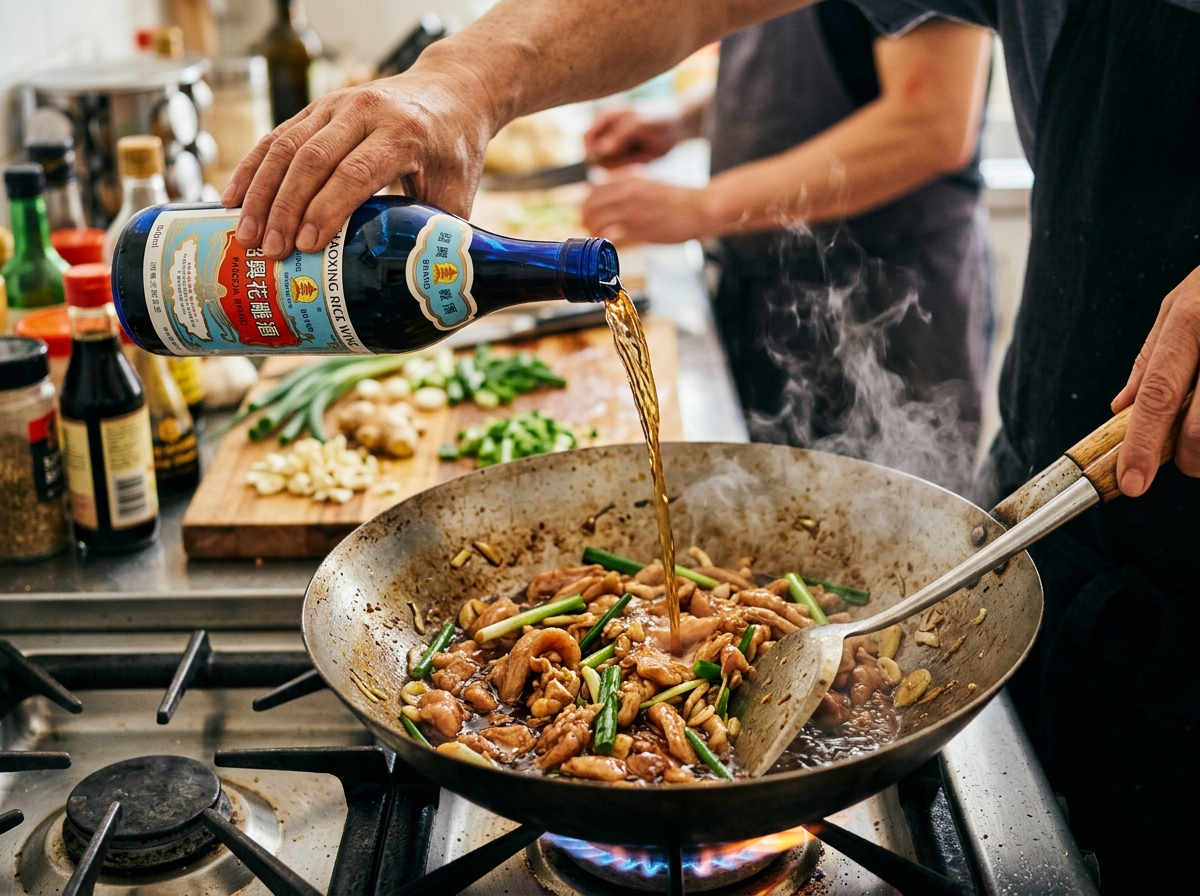
This is the most classic technique. You’re stir-frying at high heat, your protein is almost cooked through, and you splash the wine along the sides of the wok — not directly onto the food. Why the sides? Because the wok’s surface is hotter than the food sitting in it. The wine hits that scorching metal, instantly vaporizes, and creates a burst of aromatic steam that infuses everything in the pan. That’s how restaurants get that distinctive “wok breath” flavor called wok hei (镬气).
The typical amount? About 1 to 2 tablespoons for a dish serving two to three people. You don’t need much. The wine should evaporate almost as fast as you pour it.
Marinating Proteins
For marinades, mix about 1 tablespoon of Shaoxing wine with your soy sauce, cornstarch, and other seasonings. Let the meat sit for at least 15–20 minutes. This is standard practice for nearly every Chinese stir-fry recipe, and you’ll see it referred to as “velveting” when combined with cornstarch and egg white.
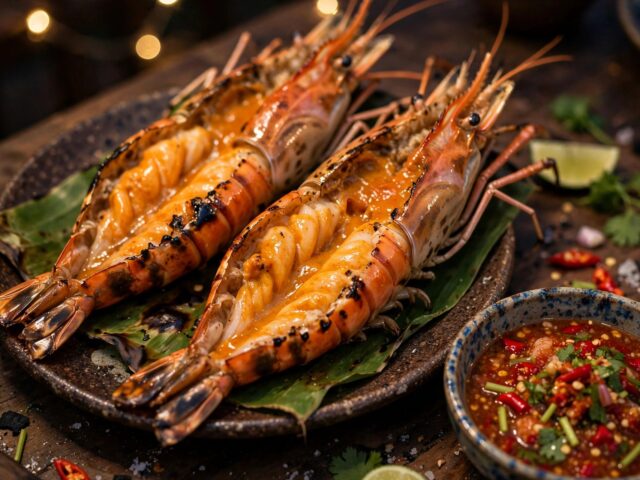
If you’re working with seafood — shrimp, scallops, fish fillets — the wine marinade is even more important. A quick 10-minute soak in cooking wine with a pinch of ginger dramatically reduces any fishy smell. You’ll notice the difference immediately when the seafood hits the pan. Speaking of shrimp, if you’re particular about getting your shrimp cooked perfectly, that wine marinade step makes a real difference in the final flavor.
Braising and Slow Cooking
Red-braised pork belly (hóng shāo ròu), one of China’s most beloved comfort dishes, can use as much as half a cup of Shaoxing wine. In braised dishes, the wine has time to meld with soy sauce, sugar, and aromatics over low heat, creating a rich, glossy sauce. The alcohol cooks off completely during the long simmer, leaving behind only flavor.
For braised dishes, add the wine early — right after you’ve seared your meat and before you add the liquid. This lets it deglaze the pot and start building the sauce foundation.
Steaming
Steamed fish, a staple of Cantonese cooking, often calls for a drizzle of cooking wine over the fish before steaming. About 1 tablespoon is enough for a whole fish. The steam carries the wine’s aroma through the flesh, and the result is clean, fragrant, and incredibly delicate.
Soups and Stocks
A small amount of Shaoxing wine — just 1 to 2 teaspoons — added near the end of cooking can brighten a soup’s flavor the way a squeeze of lemon might in Western cooking. It lifts everything. If you enjoy making homemade pho, you already understand how a single ingredient can transform an entire broth.
Getting the Timing Right
Here’s a rule of thumb that works across almost every technique: add the wine when the pan is at its hottest moment and before you add any water-based sauces.
If you add it too early (before the oil is hot), the alcohol doesn’t vaporize quickly enough and can leave a harsh, boozy taste. If you add it too late (after the sauce has already come together), it won’t integrate properly and you’ll get a raw alcohol note on top of everything.
The sweet spot is usually right after your aromatics (garlic, ginger, scallions) have become fragrant and your protein is mostly cooked. Splash the wine in, let it sizzle for 5–10 seconds, then immediately follow with your sauce mixture.
There’s one exception: marinades. For marinades, you’re obviously adding the wine cold, and that’s perfectly fine because the cooking process later takes care of the alcohol.
Choosing the Right Bottle
Walking into a Chinese grocery store and staring at a shelf full of brown bottles with Chinese characters can feel overwhelming. Here’s how to simplify it.
For everyday cooking, grab a bottle of Shaoxing cooking wine. The most widely available brands in the US and UK include Pagoda Brand and Golden Star. These typically cost between $3 and $6 for a 750ml bottle. They contain added salt, which is fine for most recipes — just account for it when seasoning.
For better quality, look for bottles labeled “Shaoxing Huadiao Wine” (花雕酒). Huadiao is a higher-grade Shaoxing wine that’s aged longer (sometimes 3–5 years or more) and doesn’t contain added salt. It costs a bit more — usually $8 to $15 — but the flavor difference is noticeable, especially in dishes where the wine plays a starring role, like drunken chicken or wine-braised dishes.
Pro Tip: Once opened, store your Shaoxing wine tightly sealed in a cool, dark place. It doesn’t need refrigeration, but it won’t last forever either. A bottle of cooking wine is best used within 3–6 months after opening for optimal flavor. The higher-grade Huadiao wine actually improves with age when stored properly — much like sherry.
What about rice cooking wine from other Asian cuisines? Japanese sake and mirin are related but not interchangeable. Sake is cleaner and less complex than Shaoxing wine — it works in a pinch but won’t give you the same depth. Mirin is much sweeter and has lower alcohol content. Korean cooking wine (called mirim or cheongju) falls somewhere in between.
What to Use If You Don’t Have Chinese Cooking Wine
Life happens. You’re mid-recipe and realize the bottle is empty. Here’s what actually works as a substitute — and what doesn’t.
Dry sherry is your best bet. It’s the closest match to Shaoxing wine in terms of flavor profile — nutty, slightly sweet, with good acidity. Use it in a 1:1 ratio. Fino or Amontillado sherry works best. Avoid cream sherry — it’s too sweet.
Japanese sake works well for lighter dishes. It’s cleaner and less assertive than Shaoxing, so your dish will taste slightly different but still good. Use equal amounts.
Dry white wine (like a Sauvignon Blanc or Pinot Grigio) is an acceptable emergency substitute. The flavor profile is quite different — more fruity, less nutty — but it’ll still deglaze your pan and help remove unwanted smells from proteins.
What doesn’t work well? Sweet wines, red wine (unless a specific recipe calls for it), balsamic vinegar, and plain rice vinegar. These will take your dish in a completely different direction.
If you avoid alcohol entirely, mix 1 tablespoon of rice vinegar with half a teaspoon of sugar as a rough approximation for each tablespoon of cooking wine. It won’t be identical, but it’ll add some acidity and sweetness that partially mimics what the wine does. Some people also use chicken broth with a squeeze of lime, which handles the liquid component but misses the aromatic complexity.
Classic Dishes That Showcase Chinese Cooking Wine
Understanding how cooking wine works is one thing. Seeing it in action across specific dishes makes it click.
Drunken Chicken (Zuì Jī)
This cold Shanghainese dish is essentially a love letter to Shaoxing wine. Poached chicken pieces are soaked in a bath of aged Shaoxing wine, ginger, scallions, and a touch of salt, then chilled overnight. The wine isn’t cooked off — you taste it directly. This is where splurging on a good Huadiao wine truly pays off.
Char Siu (Chinese BBQ Pork)
That sticky, caramelized, reddish pork hanging in Cantonese restaurant windows? Shaoxing wine is a key player in the marinade, working alongside hoisin sauce, honey, five-spice powder, and soy sauce. The wine tenderizes the pork and adds a subtle complexity beneath all that sweetness. If you’ve been wanting to try making Chinese char siu pork at home, don’t skip the wine in the marinade — it really makes a difference.
Kung Pao Chicken
The sauce for Kung Pao chicken gets a tablespoon of Shaoxing wine added right when the dried chilies and Sichuan peppercorns hit the oil. It tempers the heat slightly and adds a savory backdrop that balances the spicy, sweet, and sour elements.
Steamed Whole Fish (Cantonese Style)
A drizzle of Shaoxing wine over a fresh sea bass or snapper before it goes into the steamer is non-negotiable in Cantonese kitchens. Paired with ginger slices and scallions, it produces the cleanest, most elegant fish dish you’ll ever taste.
Pearl Balls (Zhēnzhū Wánzi)
These beautiful steamed meatballs coated in sticky rice use Shaoxing wine in the pork filling. The wine keeps the meat mixture fragrant and moist during steaming. If you’ve never tried Chinese pearl balls, they’re a showstopper at dim sum gatherings.
Common Mistakes to Avoid
Using too much. Cooking wine is an accent, not the main flavor (drunken chicken being the obvious exception). If your stir-fry tastes boozy, you’ve added too much or added it at the wrong time. Stick to 1–2 tablespoons for a standard wok-cooked dish.
Not accounting for salt in cooking wine. If you’re using salted cooking wine (the most common supermarket variety), you need to reduce the soy sauce or other salty seasonings in your recipe. Many home cooks accidentally double up on sodium without realizing it. Taste as you go.
Adding it to a cold pan. This is a big one. If the pan isn’t hot enough, the alcohol lingers and gives your food a harsh, unpleasant flavor instead of that clean, aromatic lift. The wine should sizzle and mostly evaporate within seconds of hitting the wok.
Storing it badly. An open bottle sitting on a sunny countertop for a year? That wine has lost its mojo. Keep it sealed, keep it dark, and replace it every few months if you don’t cook with it regularly.
Thinking all Asian cooking wines are the same. Shaoxing wine, sake, mirin, and Korean mirim all behave differently in food. They’re cousins, not twins. Using mirin where a recipe calls for Shaoxing wine will give you a noticeably sweeter result than intended.
A Quick Note on Alcohol Content
Shaoxing wine typically contains 14% to 20% alcohol by volume — similar to a regular grape wine. During cooking, a significant portion of the alcohol evaporates, especially at the high temperatures used in stir-frying. A stir-fry cooked for 5+ minutes retains roughly 40% of the original alcohol, while a dish braised for 2 hours retains about 5%, according to USDA data.
For most adults, the residual alcohol in a cooked dish is negligible. But if you’re cooking for children, pregnant individuals, or anyone avoiding alcohol for religious or health reasons, it’s worth knowing that cooking doesn’t remove 100% of it. The non-alcoholic substitutes mentioned earlier would be the way to go in those situations.
Pairing Chinese Cooking Wine with Other Key Ingredients
Cooking wine doesn’t work in isolation. It’s part of a team, and knowing its best teammates helps you build better flavors.
Ginger and cooking wine are practically inseparable in Chinese cooking. Together, they’re the ultimate deodorizing duo for proteins. You’ll see this pairing in nearly every Chinese meat or seafood recipe.
Soy sauce and cooking wine create the savory backbone of countless stir-fries and braises. The wine’s slight sweetness and acidity balance soy sauce’s intense saltiness. This combination appears in dishes from General Tso’s chicken to simple weeknight vegetable stir-fries.
Sugar and cooking wine together produce a beautiful caramelization effect, especially in red-braised dishes. The wine’s alcohol helps sugar caramelize at a slightly lower temperature, giving you that gorgeous mahogany glaze.
Sesame oil and cooking wine added at the end of cooking create an aroma that’s unmistakably Chinese. A splash of wine and a few drops of toasted sesame oil, added just before serving, can elevate even the simplest dish.
These combinations aren’t random. They’ve been refined over centuries of Chinese culinary tradition, and once you understand them, you’ll start recognizing them in every Chinese recipe you read.
How to Build Your Confidence with Cooking Wine
If you’re new to using Chinese cooking wine, start simple. Pick up a bottle of Shaoxing wine — even the inexpensive salted kind is fine for now — and try it in a basic stir-fry.
Here’s a dead-simple practice exercise: Heat your wok until it’s smoking. Add oil, then toss in sliced chicken breast that’s been marinated for 15 minutes in 1 tablespoon of Shaoxing wine, 1 tablespoon of soy sauce, and 1 teaspoon of cornstarch. Stir-fry until almost done. Push the chicken up the sides of the wok, add minced garlic and ginger to the center, then splash 1 tablespoon of wine along the edge of the wok. Toss everything together. That’s it. You’ll immediately notice the aroma and understand what the wine brings to the party.
Once you’re comfortable with that, try it in a braise. Then in a steamed dish. Each technique lets you experience a different facet of what cooking wine can do. Before long, reaching for the bottle will become second nature — the same way you instinctively reach for salt or pepper.
If you’re already comfortable with Asian cooking and enjoy dishes like Korean short ribs (kalbi) or sticky Asian wings, adding Chinese cooking wine to your repertoire is a natural next step. The ingredient crossover between these cuisines is real, and understanding one helps you cook the others better.
FAQ
Can I drink Shaoxing cooking wine?
The salted cooking version? You really wouldn’t want to — it’s excessively salty and not pleasant to drink. But unsalted Shaoxing wine (Huadiao grade) is absolutely drinkable. In China, it’s traditionally served warm in small cups alongside dishes like hairy crab. It has a smooth, slightly sweet, nutty flavor that’s quite enjoyable.
Does Chinese cooking wine go bad?
Unopened, a bottle of Shaoxing wine can last for years. Once opened, the salted cooking version stays usable for about 6 months when stored in a cool, dark spot. Higher-quality aged Shaoxing wine is more resilient and can actually develop more complexity over time, much like sherry. If your wine smells harsh, overly vinegary, or “off,” it’s time for a new bottle.
Is Chinese cooking wine the same as rice vinegar?
Not at all. This is a common mix-up. Rice vinegar is acidic and sour — it’s fermented past the alcohol stage into acetic acid. Chinese cooking wine still contains alcohol and has a very different flavor profile. They’re made from similar base ingredients (rice), but they serve completely different purposes in cooking. Swapping one for the other will drastically change your dish.
Can I use Chinese cooking wine in non-Chinese dishes?
Absolutely. Some adventurous cooks use a splash of Shaoxing wine in pasta sauces, gravies, or even when deglazing a pan for steak. It adds a savory depth that’s hard to pinpoint but makes people say “what’s in this?” Use it anywhere you’d normally use dry sherry or white wine, and see what happens.
How much cooking wine should I use per dish?
A general guideline: 1–2 tablespoons for a standard stir-fry serving 2–3 people. For marinades, about 1 tablespoon per pound of protein. For braises and soups, you can go up to ¼ to ½ cup depending on the recipe. Start conservative and adjust based on taste.
Your Wok Is Waiting
Chinese cooking wine is one of those ingredients that separates “fine” home cooking from “wow, did you really make this?” cooking. It’s inexpensive, widely available, lasts a long time in your pantry, and does things that no other single ingredient can replicate.
You don’t need to master twenty different techniques or buy fancy equipment. Just grab a bottle, try it in your next stir-fry, and pay attention to what happens. Notice the aroma when it hits the hot wok. Notice how your meat tastes cleaner, your sauce tastes richer, and your kitchen smells like a real Chinese restaurant.
That one bottle on your shelf? It might just be the most underrated upgrade your cooking has ever had. So go ahead — give it a splash.