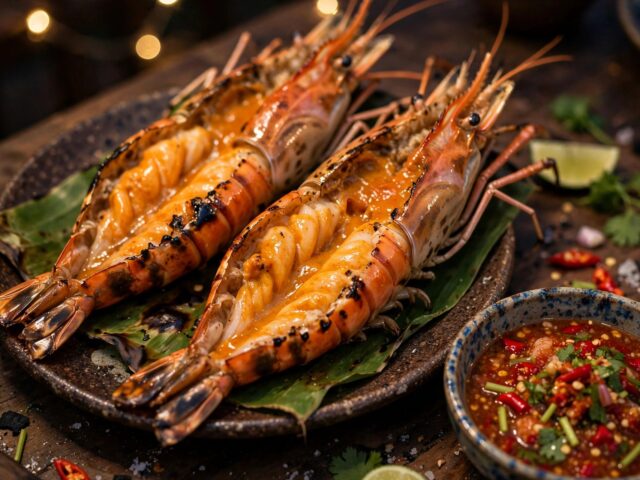
Shrimp can go from tender to rubbery in less than a minute. That’s why knowing how to tell when shrimp is cooked matters more than following a random cook time from memory. The good news? You don’t need chef-level skills. A few easy signs—color, shape, texture, and sometimes temperature—will tell you if your shrimp is ready, undercooked, or already headed into tough-and-chewy territory.
Why shrimp is so easy to overcook
Shrimp cooks fast. Really fast.
That’s what makes it great for weeknight meals, but it also makes it tricky. Chicken gives you some time. Salmon gives you some time. Shrimp? It can look perfect one moment and feel like a pencil eraser the next.
Size changes everything too. Small shrimp cook much faster than jumbo shrimp. Shell-on shrimp cook a little differently than peeled shrimp. Frozen shrimp, skewered shrimp, grilled shrimp, and shrimp in a hot skillet all behave in their own way.
That’s why exact minutes only help so much.
A better approach is to learn the signs of doneness. Once you know what cooked shrimp actually looks and feels like, you can stop guessing and pull it off the heat at the right moment.
Quick answer: how to tell when shrimp is cooked
Here’s the short version.
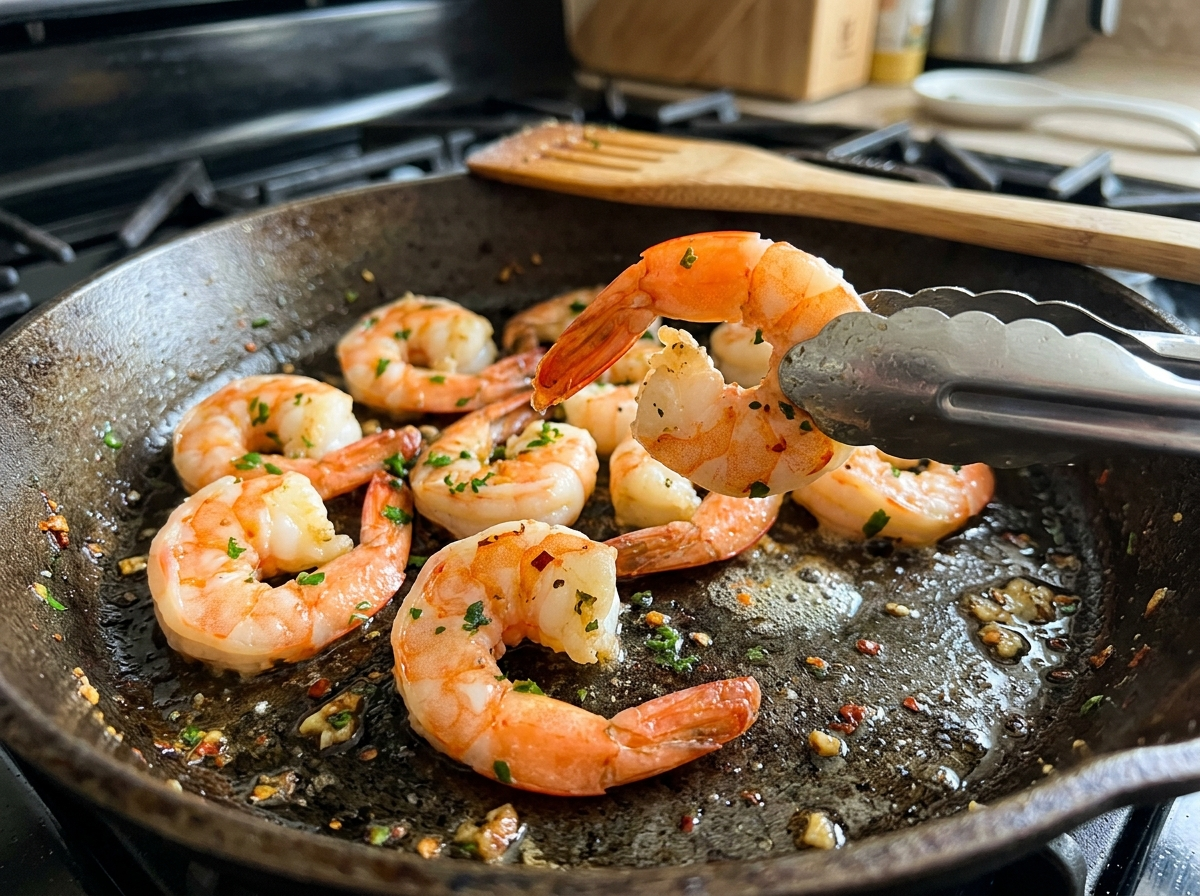
Cooked shrimp usually turns pink or coral on the outside and opaque white inside. It should curl into a loose C shape, feel firm with a little spring, and lose that raw, glassy look in the center.
If you want the fastest check, look for these signs together:
- Pink or coral outside
- Opaque flesh inside
- Loose C shape
- Firm, juicy texture
No single sign is perfect on its own. Pink color helps, but it’s not the whole story. Shape helps too, but some shrimp curl more than others. The best results come from checking two or three signs at once.
What color should cooked shrimp be?
Raw shrimp often looks gray and a bit translucent. As it cooks, the flesh changes color and becomes less see-through. Most shrimp turns pink, orange-pink, or coral on the outside, while the inside becomes white and opaque.
That word opaque matters. Opaque means the flesh no longer looks glassy or clear. If the thickest part still looks translucent, it probably needs a little more time.
The shell can fool you, though. Shell-on shrimp may turn pink before the inside is fully done. Dark sauces can fool you too. A soy glaze, Cajun seasoning, or barbecue sauce can hide the color change, especially around the edges.
Did you know? Some shrimp, like Argentine red shrimp, look pinkish-red even before cooking. In that case, color alone won’t tell you much. You need to watch the center and the texture.
The shape test: look for a loose C
A very common kitchen rule says this: C means cooked, O means overcooked.
That’s a good rule most of the time.
As shrimp cooks, the proteins tighten and the body curls. A shrimp that forms a gentle C shape is usually done or very close. A shrimp that curls into a tight O shape has often stayed on the heat too long.
Think of it like a rubber band. A little tension is fine. Too much tension and everything pulls too tight.
Still, don’t treat the curl rule like a law. Skewered shrimp may stay straighter. Butterflied shrimp can curl differently. Very small shrimp can look extra curved even when they aren’t overdone yet.
So yes, use the shape test. Just pair it with color and texture.
Warning: If every shrimp in the pan has twisted into tight little rings, you probably missed the sweet spot.
What should cooked shrimp feel like?
Texture is one of the best clues, especially once you’ve cooked shrimp a few times.
Cooked shrimp should feel firm, but not hard. It should have a little bounce when you press it, but it shouldn’t fight back like rubber.
Undercooked shrimp tends to feel soft and a bit raw in the middle. Overcooked shrimp feels dense, chewy, and dry.
A good shrimp bite should feel juicy and springy. You should be able to bite through it cleanly without tugging.
The easiest test if you’re still not sure
Still staring at the pan and second-guessing yourself? Do this.
Cut one shrimp open
- Pick the largest shrimp in the batch.
- Cut into the thickest part of the body.
- Look for flesh that is opaque all the way through.
- Press it lightly or taste a piece if it’s safe to do so.
If the center still looks glassy, grayish, or translucent, give the batch a little more time. Usually 20 to 40 seconds does the trick.
That tiny check can save the whole pan.
How to tell when shrimp is cooked on the stove, grill, or in the oven
The signs stay mostly the same, but the way shrimp cooks changes with the method. High direct heat creates different clues than simmering water or hot air in an oven.
Sautéed or pan-seared shrimp
This is where a lot of people overcook shrimp without meaning to.
A hot skillet cooks the outside fast. You’ll often see the bottom turn pink before the top changes much. Once the opaque color starts moving up the sides, you’re getting close.
Most medium to large shrimp cooks in about 3 to 5 minutes total in a skillet, sometimes less if the pan is very hot. Jumbo shrimp may take a little longer.
Flip shrimp once the first side looks mostly opaque around the edges. After the flip, watch closely. The second side often finishes fast.
The best moment to pull sautéed shrimp is right after the center loses that raw look. Don’t wait for it to look extra firm. The pan keeps giving off heat even after you turn the burner off.
Pro tip: Take shrimp out just as it reaches done, not 30 seconds after. Carryover heat is small, but with shrimp, even small heat matters.
Boiled or poached shrimp
Boiling makes people rely on the wrong clue: floating.
Yes, shrimp often floats when it cooks. But floating alone doesn’t mean done. Some shrimp rises early. Some stays lower a bit longer. Water movement also changes what you see.
Instead, lift one shrimp out with a slotted spoon and check the body. You want that same loose C shape and opaque center.
Poached shrimp cooks gently, so the texture can stay softer than pan-seared shrimp. That’s normal. Soft and juicy is fine. Soft and translucent in the center is not.
If you’re cooking shrimp for shrimp cocktail or a cold salad, move it to an ice bath once it’s done. That stops the cooking and helps keep it tender.
Grilled or broiled shrimp
Grilling adds char fast, which looks great but can confuse the eye.
A shrimp with grill marks may look fully done outside while the thick middle still needs a moment. That happens a lot with jumbo shrimp and shell-on shrimp.
Watch the thickest shrimp on the skewer, not the smallest one. Look for the same three things: pink outside, opaque center, loose C shape.
If you want better heat control, this guide to the best grill temperature for shrimp can help. And if you want a full method, here’s a practical guide on how to grill shrimp perfectly.
Broiled shrimp follows the same idea. The top cooks quickly under direct heat, so don’t walk away. A minute too long under the broiler can ruin the texture.
Air fryer or oven-baked shrimp
Air fryers and ovens cook shrimp more evenly than a skillet, but they can dry out the surface if you leave shrimp in too long.
Breaded shrimp needs extra attention because the coating hides the color change. The outside may look golden and done while the middle still needs a bit more time.
With baked or air-fried shrimp, checking one piece is often the smartest move. Cut the largest one open and look at the center. That single step tells you more than staring at the whole tray.
In most home ovens or air fryers, shrimp is done quickly. Large shrimp may need around 6 to 8 minutes depending on heat level, while smaller shrimp may finish sooner. Start checking early. That habit alone makes a big difference.
What temperature should cooked shrimp reach?
If you want the safest number-based answer, food safety guidance from the USDA and FDA still points home cooks to 145°F (63°C) for seafood.
That said, shrimp is small. On many shrimp, especially medium or small sizes, it’s hard to get a clean thermometer reading without poking straight through the flesh. That’s why many home cooks use visual signs most of the time and save the thermometer for larger shrimp.
A thermometer makes the most sense if you’re cooking:
- jumbo shrimp
- stuffed shrimp
- shell-on shrimp
- skewers with uneven sizes
- shrimp for someone who needs extra food safety care
For the best reading, insert an instant-read thermometer into the thickest part of the largest shrimp. Try not to touch the pan, skewer, or baking sheet, since that can throw off the number.
If you want more detail on the safe shrimp internal temperature, that guide breaks it down further.
Quick fact: Shrimp often looks done right around the time it reaches safe temperature, which is why color and texture are still very useful.
Food safety note: If you’re pregnant, older, or cooking for someone with a weakened immune system, lean on the thermometer and safe storage rules. For personal medical advice, talk to your doctor.
Common mistakes that fool home cooks
A lot of shrimp mistakes come from using one clue and ignoring the rest.
Pink doesn’t always mean cooked
Pink is helpful, but it’s not enough by itself.
Some shrimp starts out reddish. Some is coated in paprika, chili paste, or sauce. Shell-on shrimp can blush before the meat inside is ready. If you only watch the color, you can pull shrimp too early.
Always check the center too. Opaque beats pink.
A tight curl usually means you went too long
People often wait for shrimp to curl as much as possible because they think that means fully done.
That extra waiting time is exactly how shrimp turns chewy.
A loose curl is what you want. Once it tightens into a small ring, the texture starts getting tough.
The pan can steam shrimp if it’s crowded
Put too many shrimp in one skillet and they release moisture faster than it can evaporate. Instead of searing, they steam.
Steamed shrimp isn’t always bad, but it can make doneness harder to judge. You don’t get the same quick color contrast or surface browning. Some pieces may cook unevenly too.
Give shrimp some space. A less crowded pan makes it easier to see what’s happening.
Shrimp keeps cooking after you stop paying attention
Leave shrimp sitting in a hot pan, on a sheet pan, or in hot water, and it keeps cooking. Not a lot, but enough to matter.
That’s why restaurant shrimp often feels better than rushed home shrimp. Pros pull it fast.
The fix is simple: once shrimp is done, move it off the heat. Don’t let it camp out in the pan while you finish the sauce or answer a text.
Special cases: frozen, shell-on, and pre-cooked shrimp
These are the situations that confuse people most.
Frozen shrimp
Frozen shrimp can cook unevenly if it goes straight into a very hot pan. The outside may start turning opaque while the center stays cold.
Thawing first usually gives you a more even result. The easiest safe method is to thaw shrimp in the fridge. If you need a refresher on how long raw shrimp can stay in the fridge, that guide can help.
Cooking from frozen is still possible. Just expect more water in the pan and a little more time. Separate any shrimp that’s stuck together and keep checking the thickest piece.
Shell-on shrimp
Shell-on shrimp can be more forgiving because the shell protects the flesh a bit. It also adds flavor.
But there’s a catch. The shell color changes before the center always does. So don’t assume pink shell equals done shrimp.
Peel back one shell or cut one shrimp open if you’re unsure. That one check tells the real story.
Pre-cooked shrimp
This is where people make the biggest mistake.
Pre-cooked shrimp is already cooked. It’s already pink. It’s already opaque. So you can’t use the normal raw-to-cooked signs the same way.
You’re not trying to cook it again. You’re only trying to warm it through.
That means very gentle heat and very little time. Toss it in a warm sauce, dip it briefly in hot water, or heat it for a minute or two just until it’s no longer cold in the center.
Leave pre-cooked shrimp on the stove too long and it goes from okay to dry in a hurry.
What about leftovers?
Once shrimp is cooked, cool it and refrigerate it without letting it sit out too long. If you made extra, here’s a helpful guide on how long cooked shrimp lasts.
That matters just as much as cooking it right in the first place.
4. FAQ Section
Frequently Asked Questions
Is shrimp cooked when it turns pink?
Usually, but not always.
Pink color is a strong clue, but it’s not enough on its own. Some shrimp starts out pinkish, and shell-on shrimp can look done before the inside is ready. Check for opaque flesh, a loose C shape, and a firm texture too.
Can shrimp be slightly translucent in the middle?
No. If the center still looks translucent or glassy, it needs more time.
Cooked shrimp should be opaque all the way through. If you’re unsure, cut open the largest shrimp in the batch and check the middle.
Are curled shrimp overcooked?
Not always.
A loose C shape usually means the shrimp is cooked properly. A tight O shape is the warning sign for overcooked shrimp. Think gentle curve, not tiny ring.
How long does shrimp take to cook?
It depends on the size and method.
Small shrimp may cook in just a couple of minutes. Large shrimp often takes around 3 to 5 minutes in a skillet and a bit longer in the oven or air fryer. Jumbo shrimp on the grill may need a little more time, especially if it’s shell-on.
That’s why the visual signs matter more than any single timing chart.
Why is my shrimp rubbery?
Rubbery shrimp almost always means it stayed on the heat too long.
Shrimp proteins tighten fast. Even an extra minute can make the texture chewy. Pull shrimp once the center turns opaque and the body forms a loose C.
Is floating a reliable sign that boiled shrimp is done?
Not by itself.
Shrimp often floats as it cooks, but floating isn’t a perfect doneness test. Lift one out and check the center. Opaque flesh tells you more than where it sits in the water.
5. Conclusion
The next time you cook shrimp, don’t let the clock do all the thinking. Watch for opaque flesh, a loose C shape, and a firm, juicy feel. If you’re still unsure, cut open the biggest shrimp in the pan. That tiny habit makes shrimp a lot less stressful.
Cook one batch with these signs in mind, and you’ll start spotting the sweet spot almost on instinct.