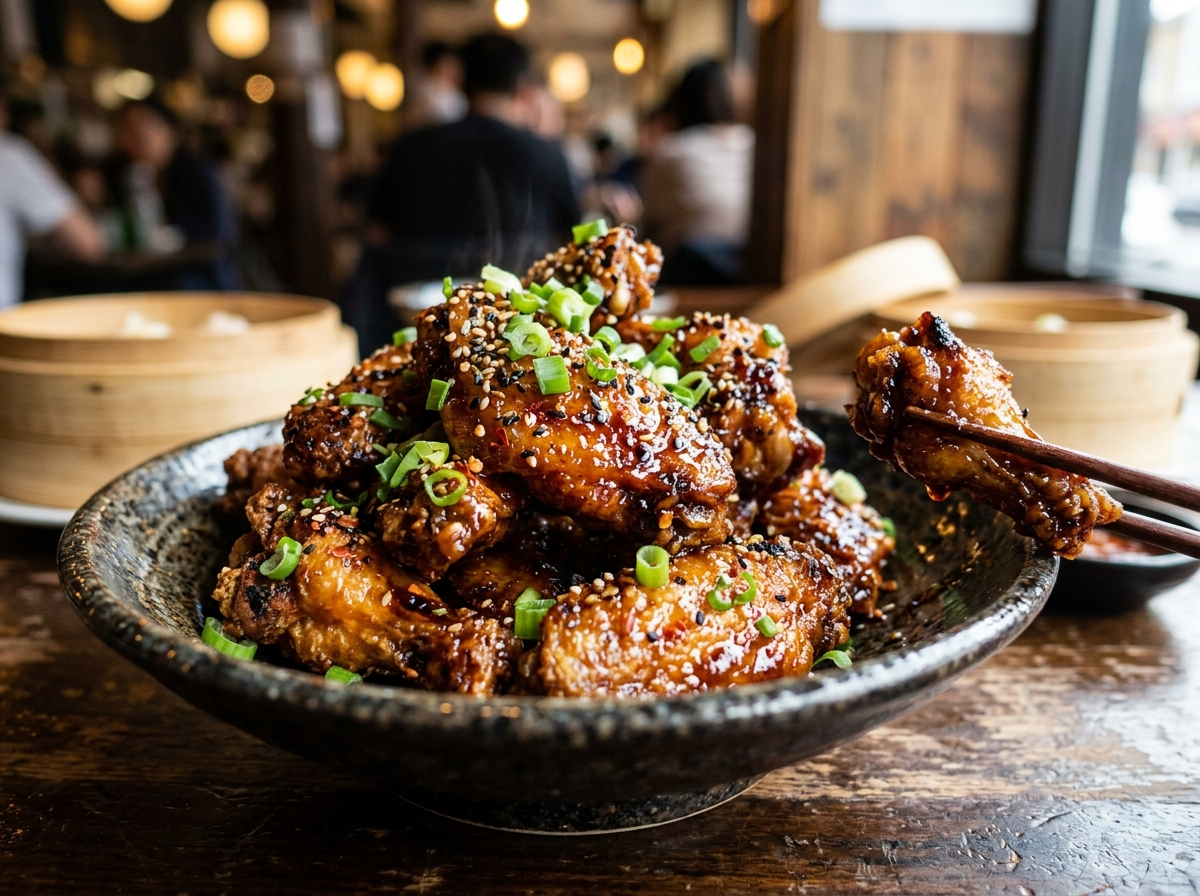
There’s a reason Asian sticky wings vanish from the plate before anything else does. That combination of sweet, salty, and slightly spicy glaze clinging to crispy, caramelized chicken skin? It hits different. Whether you’ve had them at your favorite restaurant or seen them all over social media, these wings have a way of making everyone lean in and grab just one more.
But here’s the thing — most people think you need a deep fryer or some secret restaurant ingredient to pull these off at home. You don’t. What you need is the right technique, a killer sauce, and about 45 minutes. That’s it. This guide walks you through everything — from getting that shatteringly crispy skin to building a glaze that sticks without sliding off. Let’s get into it.
What Makes Asian Sticky Wings So Addictive?
You know that moment when you bite into a wing and the glaze cracks slightly, revealing juicy meat underneath? That’s the magic of Asian sticky wings. But what exactly sets them apart from your standard Buffalo or BBQ wing?
It all comes down to the flavor profile. Asian sticky wings rely on a balance of umami, sweetness, heat, and acidity. Think soy sauce meeting honey, rice vinegar cutting through brown sugar, and garlic plus ginger tying everything together. These aren’t one-note wings. Every bite has layers.
The “sticky” part comes from reducing the sauce until it thickens into a glaze. Unlike a thin Buffalo sauce that pools at the bottom of the bowl, a good sticky glaze wraps itself around each wing like a second skin. It caramelizes when it hits heat, creating those gorgeous dark, lacquered edges that look as good as they taste.
And then there’s texture. The best versions give you crispy skin underneath the glaze. Not soggy. Not rubbery. Properly rendered, crunchy skin that holds up even after being tossed in sauce. Getting that right is where most home cooks struggle — but it’s completely doable once you understand the method.
Choosing the Right Chicken Wings
Before you even think about sauce, you need to start with the right wings. This step matters more than most people realize.
Whole Wings vs. Flats and Drumettes
You’ll usually find wings sold two ways — whole wings (with the tip still attached) or already separated into flats (wingettes) and drumettes. Either works, but separating them yourself saves money and gives you more control over the size.
If you’re buying whole wings, use a sharp knife or kitchen shears to cut through the two joints. Toss the tips into a freezer bag — they’re gold for making stock later.
Drumettes have more meat and are easier for guests to handle. Flats have a higher skin-to-meat ratio, which means more crispy surface area for glaze to cling to. Personally? I like a mix of both. Different textures on the same plate keep things interesting.
Fresh vs. Frozen
Fresh wings are ideal if you can get them. But frozen wings work perfectly fine — just thaw them completely in the fridge overnight and pat them bone-dry with paper towels before cooking. Any surface moisture is the enemy of crispy skin. If you’re looking for tips on properly storing items in the fridge, you might find our guide on how long cooked rice stays fresh in the fridge helpful for understanding fridge storage basics.
Pro Tip: After patting wings dry, let them sit uncovered on a wire rack in the fridge for 2–4 hours (or even overnight). This air-dries the skin and dramatically improves crispiness. It’s the same trick restaurants use.
The Crispy Skin Secret (Without Deep Frying)
Let’s talk about the biggest challenge with sticky wings at home: getting the skin crispy enough to stand up to a thick, wet glaze without turning into a soggy mess.
The Baking Powder Method
This is the technique that changed home wing-making forever. Toss your dry wings in a mixture of baking powder and salt — about one tablespoon of aluminum-free baking powder and one teaspoon of kosher salt per pound of wings.
Why does this work? Baking powder is slightly alkaline. It raises the pH of the chicken skin, which breaks down proteins faster during cooking. The result? Skin that blisters, crisps, and renders fat more efficiently. You get something remarkably close to deep-fried texture from your oven.
Warning: Use baking powder, not baking soda. Baking soda is much stronger and will leave a bitter, soapy taste. This is a common mix-up that can ruin an entire batch.
Oven Method — High Heat, Wire Rack
Set your oven to 425°F (220°C). Place wings on a wire rack set over a lined baking sheet. The rack is non-negotiable — it lets air circulate under the wings so the bottom skin crisps too, instead of sitting in rendered fat and steaming itself soggy.
Bake for 40–50 minutes, flipping once at the halfway mark. You’ll know they’re ready when the skin looks deeply golden and feels tight and papery to the touch.
Air Fryer Alternative
If you have an air fryer, wings are one of the best things you can make in it. Cook at 380°F (193°C) for 20 minutes, flip, then bump the heat to 400°F (204°C) for another 8–10 minutes. The circulating hot air mimics deep-frying remarkably well.
The downside? Most air fryers hold only about a pound of wings at a time without overcrowding. If you’re cooking for a crowd, the oven is more practical.
Grilling for Smoky Depth
Grilled sticky wings add another dimension — that smoky char plays beautifully with the sweet-salty glaze. Set up your grill for indirect heat (around 350–375°F) and cook the wings for 25–30 minutes, turning occasionally. Move them to direct heat for the last 3–4 minutes per side to crisp the skin and char the edges. If you enjoy grilling, you might also want to explore the best temperature for grilling shrimp — another crowd-pleaser for outdoor cooking.
Building the Perfect Asian Sticky Sauce
This is where your wings go from good to “people are going to ask you for this recipe” good. The sauce is everything.
Core Ingredients You’ll Need
A great Asian sticky sauce hits five taste notes: sweet, salty, savory (umami), acidic, and a touch of heat. Here’s what builds each layer:
Soy sauce brings the salty-savory backbone. Use regular soy sauce — low sodium versions won’t reduce into a glaze as well because they lack the same depth.
Honey or brown sugar (or both) creates the sweetness and that glossy, caramelized finish. Honey gives a floral complexity. Brown sugar adds molasses depth. I use two tablespoons of each per pound of wings.
Rice vinegar provides the brightness. Without acid, the sauce tastes flat and cloying. Just a tablespoon or two balances everything out.
Garlic and ginger — fresh, not powdered. Mince three cloves of garlic and grate about a tablespoon of fresh ginger. These aromatics are the soul of the sauce.
Sesame oil — a teaspoon at the end adds that unmistakable nutty warmth. Don’t cook with it; add it off-heat so it doesn’t turn bitter.
Sriracha or gochujang for heat. Sriracha gives you a clean, bright chili punch. Gochujang brings a fermented, smoky complexity that’s harder to describe but absolutely worth trying. Start with a tablespoon and adjust to your tolerance.
If you have Chinese cooking wine (Shaoxing wine) in your pantry, a splash adds remarkable depth. Not sure how to use it? Check out this guide on cooking with Chinese cooking wine for tips and substitutions.
Making the Sauce Step by Step
Combine soy sauce, honey, brown sugar, rice vinegar, minced garlic, grated ginger, and your chili element of choice in a small saucepan. Bring it to a gentle boil over medium heat, stirring until the sugar dissolves.
Now here’s the crucial part — reduce the sauce. Lower the heat and simmer for 6–8 minutes. The sauce should thicken enough to coat the back of a spoon. When you drag your finger through the coating on the spoon, the line should hold for a second before slowly filling back in.
If you want an even thicker, glossier glaze, mix one teaspoon of cornstarch with one tablespoon of cold water and stir it into the simmering sauce. It’ll thicken almost immediately. Remove from heat and stir in the sesame oil.
Did You Know? The concept of reducing a sweet-soy glaze has roots in multiple Asian cuisines simultaneously. Japanese teriyaki, Korean yangnyeom, Chinese char siu, and Southeast Asian kecap manis sauces all use variations of this same technique — caramelizing sugars with soy-based sauces to create sticky, umami-rich coatings. If you love this style of cooking, you’d probably enjoy making Chinese char siu pork or putting together a teriyaki chicken bowl.
Sauce Variations Worth Trying
Once you nail the base recipe, start experimenting:
Thai-Style: Replace gochujang with sweet chili sauce and add a squeeze of lime juice plus fish sauce. Finish with crushed peanuts.
Japanese-Inspired: Go heavier on mirin and sake instead of vinegar and add a touch of miso paste for deep umami.
Korean Gochujang Glaze: Make gochujang the star — use three tablespoons instead of one, add a tablespoon of gochugaru (Korean chili flakes), and swap honey for Korean corn syrup (mulyeot) if you can find it.
Five-Spice Sticky Wings: Add a teaspoon of Chinese five-spice powder to the base sauce. The warm anise and cinnamon notes play beautifully with the sweetness.
Tossing and Glazing — The Right Way
You’ve got crispy wings. You’ve got a gorgeous, thick glaze. How you bring them together matters a lot.
The Toss Method
Put your hot, crispy wings into a large bowl. Pour about three-quarters of your warm sauce over them. Using tongs (not a spoon — you’ll break the skin), gently toss the wings until every surface is coated. The heat of the wings helps the glaze set and become tacky.
Reserve that remaining quarter of the sauce. You’ll brush it on right before serving for an extra-glossy, fresh-looking finish.
Double Glazing for Maximum Flavor
Want wings that look like they belong on a magazine cover? Try the double-glaze technique. Toss the wings in sauce once, then return them to the oven or air fryer at high heat (450°F) for 3–4 minutes. Pull them out and toss in more sauce. That first layer caramelizes onto the skin while the second layer stays fresh and glossy.
This double-coat approach is how restaurant wings get that lacquered, almost candy-like shell that’s packed with flavor.
Garnishes That Actually Matter
Garnishes on sticky wings aren’t just decoration — they add contrasting textures and flavors that make each bite more interesting.
Toasted sesame seeds give a subtle nutty crunch. White and black sesame together look stunning against the dark glaze.
Thinly sliced green onions (scallions) provide a sharp, fresh bite that cuts through the richness.
Fresh cilantro leaves add a bright, herby lift. If you’re one of those people who think cilantro tastes like soap (it’s genetic, not your fault), skip it — Thai basil is a great substitute.
Crushed red pepper flakes or sliced fresh chilies for anyone who wants extra heat.
A squeeze of fresh lime right before eating brightens everything up. Don’t underestimate this one — that hit of citrus right at the end makes the other flavors pop.
Pairing and Serving Ideas
Asian sticky wings are a complete experience on their own, but the right pairing takes them to another level.
What to Serve Alongside
Steamed jasmine rice is the classic companion. It soaks up extra glaze and balances the intensity of the wings. You can also try sticky rice — the chewier texture is perfect for scooping up sauce.
Quick pickled vegetables — cucumber, daikon radish, or carrots in rice vinegar — give your palate a break between wings. That acidic crunch resets your taste buds so every wing tastes as good as the first.
Asian slaw with shredded cabbage, carrots, and a rice vinegar dressing adds freshness and fiber.
If you’re building a larger spread, Korean kimchi dumplings (mandu) or homemade potstickers make excellent appetizer partners. They’re finger food with similar crowd appeal.
Perfect Drinks Pairing
A cold, crisp lager or wheat beer cuts through the sweetness and fat beautifully. If cocktails are more your speed, a whiskey sour or a ginger-based highball stands up to the bold flavors without competing. For non-alcoholic options, sparkling water with lime or an iced jasmine tea keeps things light.
Common Mistakes (And How to Avoid Them)
Even experienced cooks mess up sticky wings. Here’s what usually goes wrong and how to fix it.
Sauce Slides Right Off
This happens when the sauce isn’t reduced enough or the wings are too wet. Make sure your sauce passes the spoon-coating test mentioned earlier. And always toss wings while they’re still hot — the heat helps the glaze grip.
Skin Is Rubbery, Not Crispy
Two possible causes: you skipped the baking powder step, or your wings were too crowded on the pan. Wings need space around them so moisture can escape. If they’re touching each other, they steam instead of roast. Give each wing at least an inch of breathing room.
Glaze Burns Instead of Caramelizing
Sugar burns fast at high temperatures. If you’re applying the glaze too early in the cooking process, it scorches before the wings finish cooking. Always glaze near the end — during the last 5–10 minutes of cooking, or toss after baking.
Wings Taste Too Sweet
Your acid is too low. Add more rice vinegar to the sauce, or squeeze fresh lime juice over the finished wings. A pinch of salt also helps — it suppresses sweetness perception and brings out savory notes.
Meat Is Dry
Overcooking. Chicken wings are forgiving because they have more fat and connective tissue than breast meat, but they still have limits. An internal temperature of 165°F (74°C) measured at the thickest part is your target. Some pitmasters pull them at 175-185°F for even more tender, fall-off-the-bone texture since the higher fat content in wings can handle it. Use an instant-read thermometer — guessing leads to either raw or dry wings.
Storing and Reheating Leftover Wings
Let’s be honest — leftover sticky wings are rare. But if you somehow manage restraint, here’s how to handle them.
Storage: Place cooled wings in an airtight container, separating layers with parchment paper so they don’t stick together. They’ll last 3–4 days in the fridge. Similar to how long cooked shrimp lasts, the key is getting them refrigerated within two hours of cooking.
Reheating for crispiness: Forget the microwave — it turns crispy skin into a rubbery nightmare. Instead, spread wings on a wire rack over a baking sheet and reheat at 375°F (190°C) for 10–12 minutes. The oven re-crisps the skin while warming the meat through. If you have extra glaze saved, brush it on during the last two minutes.
Air fryer reheating works even better — 350°F for 5–6 minutes gets them almost back to their original glory.
Scaling Up for a Party
Making sticky wings for a crowd? A few adjustments keep things manageable.
Plan on 6–8 wings per person for an appetizer, or 12–15 per person if wings are the main event. People always eat more wings than they think they will, so err on the generous side.
Make the sauce ahead of time. It keeps in the fridge for up to a week and actually tastes better after the flavors have had time to meld. Just warm it gently before tossing with hot wings.
If you’re using the oven, you’ll likely need multiple baking sheets running simultaneously. Rotate racks halfway through cooking for even browning.
Set out the garnishes in small bowls and let people customize — some want extra heat, some want extra lime. This also makes your spread look more impressive with minimal extra effort.
FAQ
What’s the difference between Asian sticky wings and teriyaki wings?
Teriyaki is one specific type of sticky wing — it uses a Japanese-style sauce built on soy sauce, mirin, sake, and sugar. Asian sticky wings is a broader category that can include Korean gochujang glazes, Thai sweet chili versions, Chinese five-spice variations, and more. Think of teriyaki as a subset within the sticky wing universe.
Can I make Asian sticky wings with boneless chicken?
You can, but the result is different. Boneless thigh pieces work best because they stay juicy. Boneless breast meat dries out faster and doesn’t have the fat needed to stand up to the thick glaze. If you go boneless, cut pieces into uniform sizes and reduce your cooking time by about 30%.
How do I make the sauce less spicy for kids?
Simply leave out the sriracha or gochujang entirely. The soy-honey-garlic-ginger base is already packed with flavor and naturally kid-friendly. You can also add a little extra honey to lean into the sweetness. Keep a small bowl of spicy sauce on the side for adults who want heat.
Are Asian sticky wings gluten-free?
The main concern is soy sauce, which traditionally contains wheat. Swap it for tamari (a Japanese soy sauce that’s typically wheat-free — always check the label) and make sure your other ingredients are gluten-free. The wings themselves, cooked with just baking powder and salt, contain no gluten.
Can I prep these wings the night before?
Absolutely. Season the wings with baking powder and salt, arrange them on a wire rack over a sheet pan, and refrigerate uncovered overnight. Make the sauce and store it separately. The next day, the wings will be perfectly air-dried for maximum crispiness, and you just need to bake and toss. It’s actually the ideal way to do it.
Your Next Move
Asian sticky wings are one of those rare dishes where the effort-to-payoff ratio is wildly in your favor. Minimal prep, simple ingredients, and a technique that works every single time once you’ve got it down. The baking powder trick handles the crispiness. The reduced glaze handles the flavor. And you handle the glory of watching a plate of wings disappear in minutes.
Start with the base recipe, nail your technique, and then start playing with the sauce variations. Maybe it’s a gochujang glaze this weekend and a Thai-inspired lime-chili version next time. That’s the beauty of this dish — the framework stays the same, but the flavor possibilities keep going.
So grab a pound of wings, clear some space in your fridge for that overnight dry-brine, and make these happen. Your future self — and everyone lucky enough to be at your table — will thank you.