A single serving of shrimp — about 3 ounces — packs roughly 20 grams of protein and barely 1 gram of carbs. For anyone following a ketogenic diet, those numbers are almost too good to be true. But they’re real, and they make shrimp one of the most keto-compatible proteins you can put on your plate.
If you’ve been scanning seafood options at the grocery store, wondering which ones fit your macros, shrimp deserves a serious look. It’s low in calories, loaded with nutrients, and incredibly versatile in the kitchen. But there are a few things you should know — like which cooking methods keep it keto, which sauces to avoid, and how shrimp stacks up against other popular proteins on a low-carb diet.
Let’s break it all down.
What Makes a Food “Keto Friendly” in the First Place?
Before we talk specifically about shrimp, it helps to understand what the keto label actually means.
A ketogenic diet typically limits your daily carbohydrate intake to somewhere between 20 and 50 grams of net carbs. The goal is to push your body into a metabolic state called ketosis, where it burns fat for fuel instead of glucose. To stay in that zone, you need foods that are high in healthy fats, moderate in protein, and very low in carbs.
So when someone asks “is this food keto friendly?” — the real question is: does it fit within that tight carb budget without knocking you out of ketosis?
That’s the filter we’re using here. And shrimp passes it with flying colors.
Shrimp Nutrition: The Numbers That Matter
Let’s get specific. Here’s what you’re looking at in a standard 3-ounce (85g) serving of cooked shrimp:
- Calories: ~84
- Protein: ~20g
- Total Fat: ~0.5g
- Total Carbohydrates: ~0.2g
- Net Carbs: ~0g
- Cholesterol: ~161mg
Those numbers come from the USDA’s FoodData Central database, which is the gold standard for nutritional information in the U.S.
Read that carb number again. Less than 1 gram of carbs per serving. You could eat shrimp for every meal and barely make a dent in your daily carb allowance. (Not that you should eat shrimp for every meal — variety matters — but the point stands.)
And unlike some low-carb foods that sacrifice nutritional value, shrimp brings serious micronutrient firepower to the table. You’re getting selenium (a powerful antioxidant), vitamin B12 (critical for nerve function), phosphorus, iodine, and a decent hit of omega-3 fatty acids, particularly astaxanthin — the same antioxidant that gives shrimp its pink color.
Quick Fact: A 3-ounce serving of shrimp delivers over 50% of your daily selenium needs. Selenium supports thyroid function and helps protect cells from oxidative damage — something your body can use extra help with during the metabolic shift into ketosis.
How Shrimp Compares to Other Keto Proteins
Shrimp isn’t the only protein that works on keto, obviously. But it’s worth seeing how it measures up against some popular alternatives, because the differences might surprise you.
Shrimp vs. Chicken Breast: Both are lean, high-protein options. Chicken breast has about 0g carbs per serving too, but it’s significantly higher in calories (around 140 per 3 oz) and doesn’t offer the same micronutrient diversity — especially when it comes to iodine and selenium.
Shrimp vs. Salmon: Salmon is a keto superstar thanks to its high fat content (about 11g per 3 oz serving), which helps you hit your fat macros. Shrimp is leaner, so it’s a better choice when you want to save your fat allowance for cooking oils, avocado, or cheese. Both are excellent — they just serve different roles in your meal plan.
Shrimp vs. Beef: A 3-ounce serving of ground beef (80/20) runs about 230 calories with 17g of fat. Great for keto fat macros, but heavier. Shrimp gives you a lighter option when you want protein without the caloric load.
Shrimp vs. Tofu: Tofu has about 1-2g of net carbs per serving, which is still keto-friendly, but it only delivers about 8g of protein compared to shrimp’s 20g. If you’re trying to maximize protein per carb gram, shrimp wins easily.
The takeaway? Shrimp isn’t just keto friendly — it’s one of the most efficient keto proteins available. High protein, virtually zero carbs, low calories, and packed with nutrients.
Where People Get Tripped Up: It’s Not the Shrimp — It’s What’s on It
Here’s the thing that catches a lot of keto dieters off guard. Plain shrimp? Perfectly keto. But the moment you start adding sauces, breading, or marinades, the carb count can skyrocket.
Let’s look at a few common scenarios.
Breaded Shrimp
Coconut shrimp, popcorn shrimp, fried shrimp with a flour coating — these are carb bombs. A standard serving of breaded fried shrimp can pack 15 to 20 grams of carbs, and that’s before dipping sauce enters the picture. The breading alone can use up most of your daily carb budget.
Pro Tip: If you’re craving that crispy texture, try coating your shrimp in crushed pork rinds or almond flour instead of traditional breadcrumbs. You’ll get the crunch without the carbs. A light dusting of parmesan cheese works too.
Sweet Sauces and Glazes
Cocktail sauce is a sneaky one. It seems harmless, but most store-bought cocktail sauces contain 4-6 grams of sugar per tablespoon. Sweet chili sauce is even worse — we’re talking 7-8 grams of carbs per tablespoon.
Teriyaki sauce, honey garlic sauce, and most stir-fry sauces from a bottle are loaded with sugar too. If you’re building a teriyaki chicken bowl or an Asian-style dish, always check the labels or make your own sugar-free versions.
Restaurant Preparations
Ordering shrimp at a restaurant? Ask how it’s prepared. Grilled shrimp with butter and garlic? Perfect. Shrimp scampi in white wine butter? Usually fine. But shrimp tacos with flour tortillas, shrimp pasta, or shrimp in a cream-based sauce thickened with flour — those can add 20-40+ grams of carbs to your plate without you realizing it.
The golden rule: The shrimp itself is always keto. Your job is making sure everything around it stays keto too.
Best Ways to Cook Shrimp for Keto
One of shrimp’s biggest advantages is how fast and easy it is to cook. You’re looking at 2-4 minutes per side in most cases. That makes it a weeknight dinner hero, especially when you’re following a diet that already requires some meal planning.
Here are the cooking methods that keep your shrimp keto-compliant and delicious.
Grilling
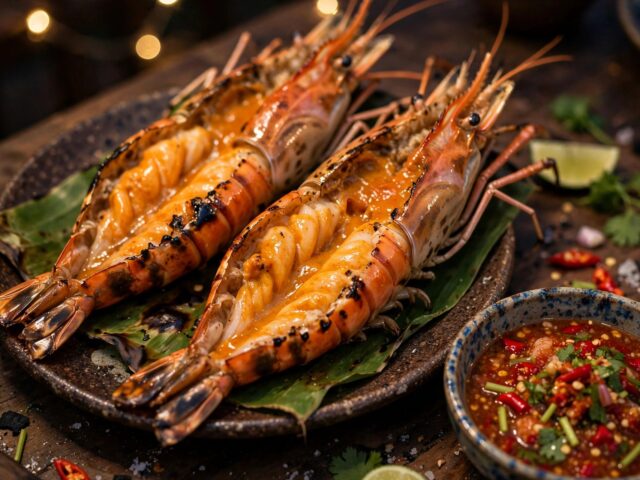
Grilled shrimp is arguably the best keto preparation. Toss your shrimp in olive oil, salt, pepper, garlic powder, and maybe some smoked paprika. Thread them on skewers and grill for about 2-3 minutes per side until they turn pink and slightly charred. The high heat caramelizes the natural sugars in the shrimp without adding any carbs, and you get that smoky flavor that makes everything taste better.
Pair it with a side of grilled asparagus or a big green salad with avocado, and you’ve got a meal that hits your macros perfectly.
Sautéing in Butter or Olive Oil
This is the classic approach, and for good reason. Heat a tablespoon of butter (or ghee, if you prefer) in a skillet over medium-high heat. Add your shrimp in a single layer. Cook 2 minutes, flip, cook 2 more minutes. Done.
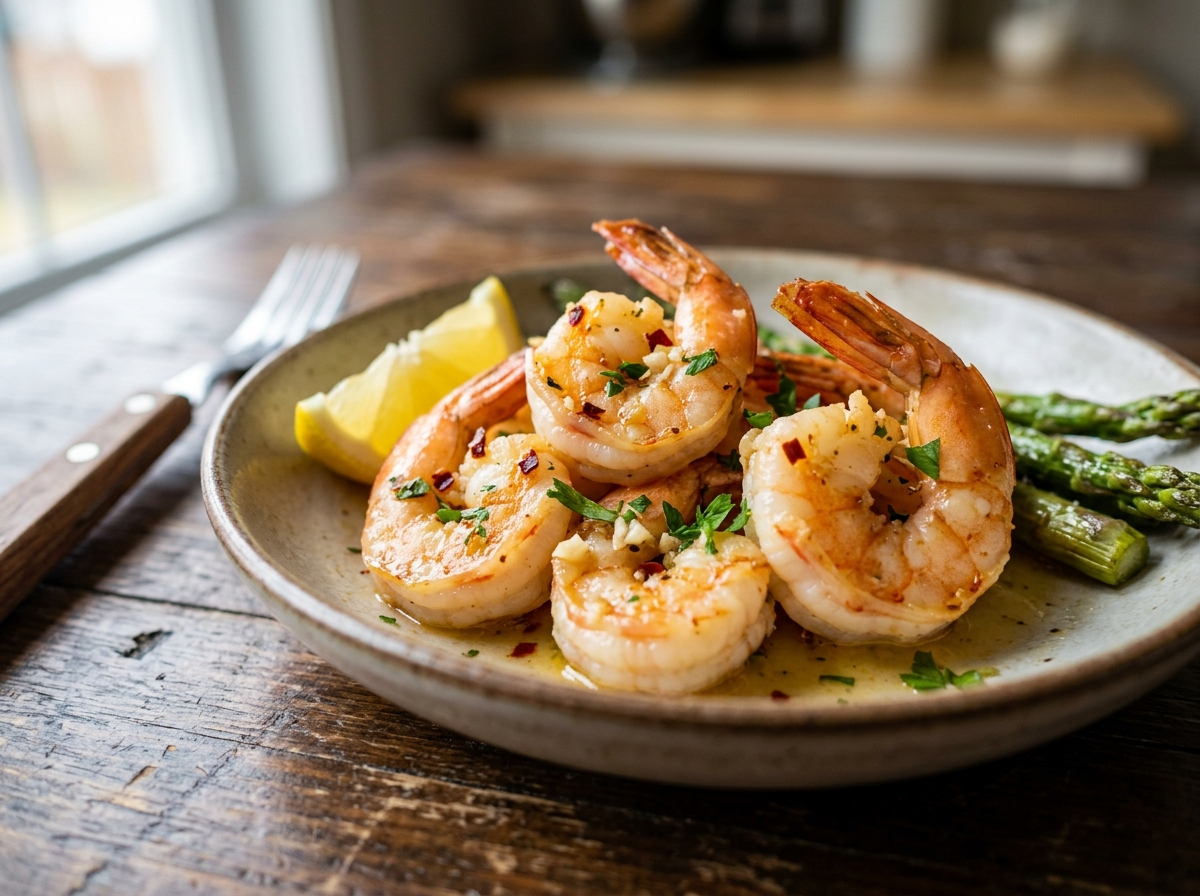
The butter adds healthy fat to your macros, which is exactly what you need on keto. Throw in some minced garlic, a squeeze of lemon, and fresh parsley — you’ve just made restaurant-quality shrimp scampi in under 10 minutes.
Baking or Roasting
Spread shrimp on a baking sheet, drizzle with avocado oil, season generously, and roast at 400°F for about 6-8 minutes. This hands-off method is great when you’re meal prepping for the week. You can cook a large batch and store it in the fridge for salads, snacks, or quick dinners.
Want to know how to tell when your shrimp is perfectly cooked? Look for that C-shape curl and opaque pink color. If it curls into a tight O, you’ve gone too far.
Boiling or Steaming
These methods add zero extra fat or calories, which can be good or bad depending on your goals. On keto, you actually want fat, so if you boil or steam your shrimp, plan to add fat elsewhere — maybe a fatty dipping sauce like garlic aioli, or serve the shrimp on top of a butter-rich cauliflower mash.
Keto Shrimp Meal Ideas That Actually Taste Great
Knowing shrimp is keto friendly is one thing. Knowing what to actually do with it is another. Here are some meal ideas that keep things interesting without wrecking your carb count.
Garlic Butter Shrimp with Zucchini Noodles
Spiralize a couple of zucchinis (about 4g net carbs per cup), sauté them briefly in olive oil, and top with garlic butter shrimp. Add red pepper flakes if you like heat. Total meal carbs? Roughly 6-8 grams. Total prep time? About 15 minutes.
Shrimp and Avocado Salad
Chop cooked shrimp and toss with diced avocado, cherry tomatoes, cucumber, red onion, cilantro, lime juice, and olive oil. This works as a lunch, a light dinner, or even a snack when you need something filling. The avocado adds the healthy fats your keto diet needs, and the whole thing stays under 8 grams of net carbs.
Cajun Shrimp Lettuce Wraps
Season shrimp with a Cajun spice blend (make sure it’s sugar-free), sear them hot and fast, and serve in butter lettuce cups with a drizzle of ranch dressing or a homemade ssam-style sauce. Crunchy, spicy, satisfying — and about 3 grams of net carbs total.
Shrimp Stir-Fry (Without the Rice)
Use riced cauliflower as your base and stir-fry shrimp with bok choy, bell peppers, and a soy sauce or coconut aminos glaze. Skip the cornstarch thickener that most stir-fry recipes call for — it adds unnecessary carbs. The vegetables provide enough texture and volume on their own.
Bacon-Wrapped Shrimp
Wrap each shrimp in a half slice of bacon and bake at 400°F until the bacon is crispy — about 12-15 minutes. The bacon adds fat (good for keto), the shrimp adds protein, and the whole thing adds up to about 1 gram of carbs. This doubles as an appetizer if you’re hosting.
How Much Shrimp Can You Eat on Keto?
Since shrimp is essentially a zero-carb food, there’s no strict keto-specific limit on how much you can eat. Your carb budget won’t be the bottleneck here.
That said, there are a couple of things to keep in mind.
Protein matters too. On keto, excessive protein can potentially be converted to glucose through a process called gluconeogenesis. While recent research (published in journals like the American Journal of Clinical Nutrition) suggests this isn’t as big a concern as the keto community once believed, it’s still smart to balance your protein intake. Most keto dieters aim for about 0.6 to 1 gram of protein per pound of lean body mass per day.
Cholesterol considerations. Shrimp is relatively high in dietary cholesterol — about 161mg per 3-ounce serving. For most healthy adults, dietary cholesterol has a minimal effect on blood cholesterol levels. The 2020-2025 Dietary Guidelines for Americans removed the previous 300mg daily cholesterol cap, acknowledging this. But if you have existing heart conditions or your doctor has specifically advised you to limit cholesterol, it’s worth having that conversation.
Sodium in pre-cooked shrimp. If you’re buying pre-cooked or frozen shrimp, check the sodium content. Many brands add sodium tripolyphosphate as a preservative, which can significantly increase the sodium count. On keto, you actually need more sodium than usual (because ketosis causes your body to excrete more sodium), but it’s still good to be aware of what you’re consuming.
Buying Shrimp: What to Look For
Not all shrimp is created equal, and the quality of what you buy affects both taste and nutrition.
Fresh vs. Frozen: Here’s a little secret from the seafood industry — most “fresh” shrimp at the grocery store counter was actually frozen and then thawed. You’re often better off buying frozen shrimp yourself and thawing it at home. It’s cheaper and gives you more control over freshness. Just make sure to store it properly in the fridge after thawing.
Wild-Caught vs. Farm-Raised: Wild-caught shrimp (like Gulf shrimp from the U.S.) generally has a slightly better nutritional profile and fewer concerns about antibiotics or additives. Farm-raised shrimp from reputable sources is perfectly fine too — just look for certifications like BAP (Best Aquaculture Practices) or ASC (Aquaculture Stewardship Council).
Size matters for cooking, not nutrition. Jumbo, large, medium — the nutritional values per ounce are essentially the same. Choose your size based on what you’re cooking. Jumbo shrimp work great for grilling and making perfect skewers. Medium and small shrimp are ideal for stir-fries, salads, and soups.
Did You Know? The numbers on a bag of frozen shrimp (like 21/25 or 31/40) refer to how many individual shrimp make up one pound. Lower numbers mean bigger shrimp. A bag labeled “16/20” has 16 to 20 shrimp per pound — those are large, meaty pieces perfect for the grill.
What About Other Shellfish on Keto?
If you’re a seafood lover, you might be wondering how other shellfish compare to shrimp in terms of keto compatibility. The answer is mostly positive, but with a few caveats.
Crab is excellent — about 0g carbs and high protein, similar to shrimp. Just watch out for imitation crab (surimi), which is made with starch and sugar. Real crab meat only.
Lobster is another winner with less than 1g of carbs per serving. If you’re looking to make it a centerpiece meal, check out tips on how to grill lobster tails for a keto-friendly preparation that’s pure indulgence.
Mussels and clams are trickier. They contain about 4-6 grams of carbs per serving due to their natural glycogen content. They’re not off-limits on keto, but you need to count those carbs carefully.
Oysters are in the same boat — roughly 4-5g of carbs per 3-ounce serving. Enjoy them, but account for the carbs in your daily total.
Scallops contain about 3-4g of carbs per serving. Pan-seared scallops in butter are a keto-compatible dish, but again, track the numbers.
Shrimp remains the most carb-friendly shellfish option available. It’s the one you can eat most freely without doing mental math.
Eating Shrimp Out: Restaurant and Takeout Tips
Eating keto at restaurants takes some strategy, and shrimp can be your best friend on the menu — if you order wisely.
At a seafood restaurant: Ask for grilled or steamed shrimp with butter on the side. Skip the hush puppies, coleslaw (often has sugar in the dressing), and fries. Substitute with a side salad or steamed vegetables.
At an Asian restaurant: Shrimp-based dishes can work, but watch for hidden sugars in sauces. Kung pao shrimp, for example, often uses a sweet sauce with cornstarch thickening. Ask for your shrimp sautéed with garlic and vegetables, sauce on the side. If you’re pairing shrimp with something like a pho-style broth, the broth itself is usually very low carb — it’s the noodles you’d skip.
At a Mexican restaurant: Shrimp fajitas without the tortillas work great. Load up on the grilled peppers, onions, guacamole, sour cream, and cheese. Ask for lettuce wraps instead of flour tortillas.
From a fast-food chain: Some places offer grilled shrimp salads or shrimp skewers. These are usually your safest bet. Avoid anything described as “crispy” — that’s code for breaded and fried.
Cooked Shrimp: Storage and Meal Prep
Since shrimp cooks so quickly, it’s a meal prepper’s dream. You can grill or sauté a big batch on Sunday and use it throughout the week.
Cooked shrimp lasts about 3-4 days in the refrigerator when stored in an airtight container. After that, the texture starts to deteriorate, and food safety becomes a concern.
For meal prep, I’d suggest cooking the shrimp simply — just salt, pepper, and a little oil. That way, you can repurpose it for different meals throughout the week. Monday it’s a salad topper. Tuesday it goes into lettuce wraps. Wednesday you toss it with zucchini noodles and pesto. Versatility is the whole point.
⚠️ Warning: Don’t reheat shrimp more than once. It gets rubbery and can develop off-flavors. If you’re adding pre-cooked shrimp to a hot dish, toss it in at the very end — just long enough to warm through, not long enough to overcook.
FAQ
Can I eat shrimp every day on keto?
From a carb perspective, yes — shrimp’s near-zero carb count makes daily consumption perfectly compatible with ketosis. Nutritionally, shrimp provides excellent protein and micronutrients, so regular consumption is fine for most people. Just make sure you’re also eating a variety of other proteins and fats to get a complete nutritional profile. If you have concerns about cholesterol or shellfish allergies, consult your healthcare provider.
Does the way I cook shrimp affect its carb count?
The shrimp itself stays at essentially zero carbs no matter how you cook it — grilled, boiled, baked, or sautéed. What changes the carb count is what you add to it. Butter, olive oil, garlic, and most herbs and spices add negligible carbs. Breading, sweet sauces, and flour-based coatings add significant carbs. Always track your additions, not just the shrimp.
Is canned shrimp keto friendly?
Yes, canned shrimp typically has the same nutritional profile as fresh or frozen shrimp — very high protein, virtually no carbs. Check the ingredient list for added sugars or preservatives, but most canned shrimp is just shrimp and salt. It’s a great pantry staple for quick keto meals when you don’t have fresh shrimp on hand.
How many shrimp can I eat in one sitting on keto?
There’s no specific number limit. Since shrimp has essentially 0 grams of net carbs, you won’t hit your carb ceiling from shrimp alone. A typical serving is 3-4 ounces (roughly 12-15 medium shrimp), which gives you about 20-25 grams of protein. Eat until you’re satisfied, and balance the rest of your plate with healthy fats and low-carb vegetables.
Are frozen shrimp as nutritious as fresh for a keto diet?
Absolutely. Frozen shrimp is typically flash-frozen within hours of being caught, which locks in nutrients. The macronutrient profile — protein, fat, and carbs — remains the same. Just check the packaging for added ingredients. Some frozen shrimp is treated with sodium solutions that increase the sodium content, but the carb count stays at zero or near-zero.
Your Move
Shrimp doesn’t just fit on a keto diet — it thrives on one. With practically zero carbs, generous protein, and a lineup of vitamins and minerals that most other proteins can’t match, it’s the kind of food you can build entire meal plans around without a second thought.
The only real risk is sabotaging it with sugary sauces or heavy breading. Keep things clean — butter, garlic, good olive oil, fresh herbs, a squeeze of lemon — and you’ve got a keto meal that’s ready in minutes, tastes incredible, and keeps you firmly in ketosis.
Pick up a bag of frozen shrimp on your next grocery run. Your keto macros (and your taste buds) will thank you.