Shrimp goes from perfectly cooked to rubbery in about 60 seconds. That’s not an exaggeration — it’s the reason so many home cooks either avoid grilling shrimp altogether or end up disappointed with tough, curled-up little pieces that taste like erasers. The good news? Once you understand a few core principles — the right heat, proper prep, and timing — you can grill shrimp that’s tender, juicy, and packed with smoky flavor every single time.
Whether you’re making a quick weeknight dinner or serving shrimp at a summer cookout, this guide walks you through everything from choosing the right shrimp to pulling it off the grill at the exact right moment. No guesswork, no stress.
Why Grilled Shrimp Is Worth Getting Right
There’s a reason grilled shrimp shows up on restaurant menus everywhere. It cooks fast — we’re talking 2 to 3 minutes per side. It picks up char and smokiness beautifully. And it pairs with just about anything, from a simple squeeze of lemon to bold Asian-inspired sauces like a homemade ssam sauce or even a drizzle of teriyaki glaze.
But here’s what makes it tricky. Shrimp is incredibly lean, with almost no fat to protect it from high heat. Fish like salmon has some built-in forgiveness because of its fat content — you can read more about grilling salmon at the right temperature if you’re curious. Shrimp doesn’t give you that luxury. You’ve got a very tight window between underdone and overdone.
That’s exactly why technique matters here more than most other proteins on the grill.
Choosing the Best Shrimp for Grilling
Not all shrimp grills the same way. The size, the freshness, and even whether you buy them with shells on or off — all of it affects your final result.
Size Matters More Than You Think
For grilling, you want large to jumbo shrimp. Look for counts of 16/20 or 21/25 per pound. These are big enough to handle direct heat without drying out instantly, and they’re much easier to flip on the grill grates. Tiny shrimp (41/50 count) will fall through the grates or overcook before you even get tongs on them.
If you can find U-15 shrimp (under 15 per pound), those are ideal. They’re meaty, substantial, and give you a little more margin for error on timing.
Fresh vs. Frozen
Here’s something most people don’t realize: the “fresh” shrimp sitting on ice at your grocery store’s seafood counter was almost certainly frozen at some point and then thawed for display. Unless you live near a coast where boats bring shrimp in daily, you’re usually better off buying frozen, individually quick-frozen (IQF) shrimp and thawing them yourself at home. You’ll get a fresher product with better texture.
To thaw, place frozen shrimp in a colander under cold running water for about 5 to 10 minutes. Don’t use warm water — it starts cooking the outside before the inside thaws. And if you’re wondering about how long shrimp stays good in the fridge after thawing, you’ve got about 1 to 2 days before quality drops.
Shell On or Shell Off?
This is a genuine debate among grilling enthusiasts, and both sides have valid points.
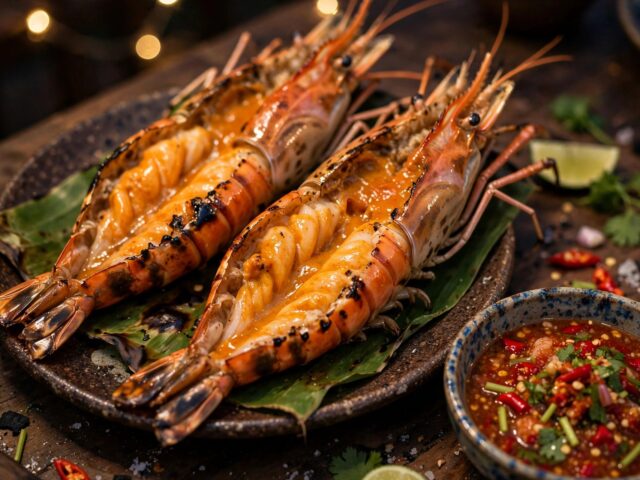
Shell-on shrimp offers a layer of protection from the intense grill heat. The shell acts like a little shield, keeping moisture locked in. You’ll get juicier results, and the shell itself picks up a delicious char. The downside? Your guests have to peel them, which can feel messy at a dinner table.
Shell-off shrimp lets marinades and seasonings make direct contact with the meat. You get more flavor penetration and easier eating. The trade-off is that they’re more prone to drying out.
A solid middle ground: peel the shell but leave the tail on. It gives your guests a built-in handle, looks great on a plate, and still allows seasonings to do their work.
How to Prep Shrimp for the Grill
The prep work you do before the shrimp ever touches the grill grates determines at least half of your final result. Rushing this part is where most mistakes happen.
Deveining — Do You Actually Need To?
Technically, the “vein” running along a shrimp’s back is its digestive tract. Eating it won’t hurt you, but it can have a gritty texture and a slightly bitter taste, especially in larger shrimp. For jumbo shrimp destined for the grill, always devein. Use a small paring knife to make a shallow cut along the back curve and pull the vein out with the knife tip or your fingers.
Pat Them Dry
This step is easy to skip and costly to ignore. Wet shrimp on a hot grill steams instead of searing. You want that beautiful caramelized char, and moisture is the enemy of char. After thawing and deveining, lay your shrimp on paper towels and blot them thoroughly. Both sides. Give them a couple of minutes to air-dry too if you’ve got the time.
Toss with Oil (Not Just the Grates)
A light coating of oil on the shrimp themselves does two things: it prevents sticking and it helps seasonings adhere. Use a high-smoke-point oil like avocado oil or regular olive oil (not extra virgin for this purpose — it can smoke and taste bitter at grill temperatures). About one tablespoon of oil per pound of shrimp is plenty.
Marinades, Rubs, and Seasoning Ideas
Shrimp has a mild, sweet flavor that plays well with bold seasonings. But you need to be careful with one thing: acid-based marinades and time.
Lemon juice, lime juice, vinegar — these are all common in shrimp marinades, and they’re great for flavor. But if you let shrimp sit in an acidic marinade for too long, the acid starts “cooking” the proteins (that’s basically how ceviche works). Your shrimp will turn mushy before it even hits the grill.
Keep acid-based marinades to 15–30 minutes max. Oil-based marinades with herbs and spices can go a bit longer, up to an hour, but honestly, shrimp absorbs flavor fast, so even 20 minutes is usually enough.
Here are a few flavor directions that work beautifully on grilled shrimp:
Garlic butter — Melted butter, minced garlic, a pinch of red pepper flakes, and fresh parsley. Simple and universally loved.
Asian-inspired — Soy sauce, sesame oil, grated ginger, garlic, and a touch of honey. If you enjoy Asian flavors, you might also love pairing grilled shrimp with a teriyaki chicken bowl for a complete spread.
Cajun-style — Paprika, garlic powder, onion powder, cayenne, oregano, and thyme. Toss with oil and a squeeze of lemon after grilling.
Mediterranean — Olive oil, lemon zest, oregano, minced garlic, and cracked black pepper. Finish with crumbled feta.
If you prefer a no-fuss approach, a quality seafood seasoning rub works great too. Something like Meat Church’s Gourmet Seafood Seasoning makes life easy — just toss, oil, season, and grill.
Setting Up Your Grill the Right Way
Whether you’re working with a gas grill, charcoal, or pellet smoker, the setup principles are the same: you need high, direct heat and clean grates.
Temperature
The best temperature to grill shrimp is between 375°F and 450°F (190°C–230°C). You want the grates hot enough to sear quickly and create those grill marks without leaving the shrimp on the heat so long that it dries out.
On a gas grill, preheat on high for 10 to 15 minutes with the lid closed, then reduce to medium-high. On charcoal, wait until the coals are covered with gray ash and you can hold your hand 5 inches above the grate for only 3 to 4 seconds before it’s too hot.
Clean and Oil Your Grates
Shrimp is delicate. Dirty or dry grates will rip the shrimp apart when you try to flip. Heat your grill, then scrub the grates with a grill brush. After that, dip a folded paper towel in oil, hold it with long tongs, and wipe it across the grates. Do this 2 to 3 times. Your grates should look like they’ve got a light sheen, not dripping with oil.
Skewers or No Skewers?
You can absolutely grill shrimp directly on the grates if they’re large enough (U-15 or 16/20), but skewers make the whole process significantly easier. Here’s why: instead of flipping 20 individual shrimp one by one, you flip 4 or 5 skewers. It saves time, reduces stress, and gives you more control.
Wooden vs. Metal Skewers
Wooden skewers are cheap and disposable, but they need to be soaked in water for at least 20 to 30 minutes before grilling. Otherwise, they’ll catch fire. Even soaked, the exposed ends can char. Some people wrap the tips in foil.
Metal skewers are reusable, don’t burn, and conduct heat slightly, which can help cook shrimp from the inside. Flat metal skewers are especially good because the shrimp doesn’t spin when you flip them. With round skewers, shrimp tends to rotate in place, so you think you’ve flipped it but the same side is still facing down.
The Double-Skewer Trick
This is a small tip that makes a big difference. Thread your shrimp onto two parallel skewers instead of one. This locks each shrimp in place so it can’t spin. You get even cooking on both sides, and flipping is effortless. Space the two skewers about half an inch apart.
When threading shrimp onto skewers, pierce each shrimp through both the tail end and the thicker head end so it forms a slight C-shape on the skewer. This keeps the shrimp flat against the grill and exposes the maximum surface area to heat.
The Actual Grilling Process — Step by Step
Alright, your shrimp is prepped, your grill is hot, your skewers are loaded. Here’s how to handle the cook itself.
Place the shrimp skewers on the hot grill grates. You should hear a sizzle immediately. If you don’t, the grill isn’t hot enough — pull them off and let it heat more.
Don’t touch them for 2 to 3 minutes. Seriously. This is where patience matters. Let the heat do its thing. You’ll see the edges of the shrimp start turning pink and opaque from the bottom up. Grill marks will form on the underside.
Flip once. Just once. Use tongs or a spatula to flip each skewer. The cooked side should have nice char marks and be pink-white. The top side will still look slightly translucent.
Cook another 1 to 2 minutes on the second side. The shrimp is done when it’s fully opaque (no more grey or translucent areas), pink on the outside, and has formed a loose C-shape. Total cook time is typically 4 to 6 minutes for large shrimp.
How to Know When Your Shrimp Is Cooked
Visual cues are your best friend here. Properly cooked shrimp has these characteristics: the flesh is white with pink-red exterior coloring, it’s firm but still has a slight bounce when you press it, and it curls into a loose C-shape.
If your shrimp has curled into a tight O-shape, it’s overcooked. The proteins have contracted too much, squeezing out moisture. It’ll still be edible, but the texture will be tougher than you want.
For those who like precision, the internal temperature for shrimp should hit 120°F (49°C). An instant-read thermometer works, though it can be tricky to get into such small pieces. Most experienced grillers rely on the visual C-shape test instead.
You can learn more about visual indicators in our detailed guide on how to tell when shrimp is cooked. It covers boiled, sautéed, and grilled methods.
Common Grilling Mistakes and How to Avoid Them
Even with good technique, a few sneaky mistakes can trip you up. Let’s talk about the ones that get people most often.
Overcooking
This is mistake number one, two, and three. Shrimp goes from done to overdone in a heartbeat. The fix? Pull your shrimp off the grill about 30 seconds before you think it’s ready. Carryover heat will finish the job. The proteins continue cooking for a short time after leaving the grill, and that residual heat is enough to take it from 90% done to perfectly done.
Crowding the Skewers
If shrimp are pressed tightly together on the skewer with no gaps, the sides touching each other will steam rather than grill. Leave about a quarter inch of space between each piece so heat circulates around every shrimp.
Using Too Much Sugar in Marinades
Honey, brown sugar, sweet chili sauce — these add great flavor, but sugar burns fast at high temperatures. If your marinade is heavy on sweetness, you’ll get blackened, bitter spots before the shrimp is actually cooked through. Either reduce the sugar content or brush sweet glazes on during the last minute of cooking only.
Forgetting to Preheat
Putting shrimp on a grill that isn’t fully preheated means the shrimp cooks slowly. Slow-cooked shrimp on a grill is tough shrimp. You want fast, hot, aggressive searing. Always give your grill a full 10 to 15 minutes of preheating time.
What to Serve with Grilled Shrimp
Grilled shrimp is incredibly versatile. It can be the star of the plate or a flavorful addition to a bigger meal. Here are some ideas that work really well.
A bed of coconut rice or jasmine rice turns grilled shrimp into a complete dinner in minutes. If you’re cooking rice ahead of time, keep in mind the guidelines for storing cooked rice in the fridge so it stays safe to eat.
Grilled shrimp tacos with cabbage slaw, avocado, and a squeeze of lime are a crowd favorite at summer gatherings. The smoky shrimp against the cool, creamy avocado is a combination that just works.
For an Asian-inspired plate, pair grilled shrimp alongside Korean-style bok choy or serve it on top of a noodle salad with sesame dressing. If you’re into big, bold dinner spreads, grilled shrimp next to Korean short ribs (kalbi) makes for an unforgettable cookout menu.
Simple options work too. Grilled shrimp tossed into pasta with garlic, olive oil, cherry tomatoes, and fresh basil can be on the table in 20 minutes flat.
Grilling Shrimp on Different Grill Types
The fundamentals stay the same regardless of your grill, but each type has its quirks worth knowing.
Gas Grill
The easiest setup for shrimp. Preheat on high, dial back to medium-high, and cook over direct heat. Gas grills give you precise temperature control, which is helpful since the margin for error with shrimp is so small. If your grill has hot spots (most do), rotate your skewers halfway through.
Charcoal Grill
Charcoal gives you more smoke flavor, which shrimp picks up beautifully. Build a two-zone fire — hot coals on one side, empty on the other. Grill the shrimp over the hot zone. If things flare up from dripping oil, you can slide the skewers to the cooler side while the flames die down. Flare-ups are the fastest way to go from grilled to burnt, so having that safety zone matters.
Pellet Grill
Pellet grills work great for shrimp, especially if you want a deeper smoke flavor. Set it to 400°F to 450°F and give it time to preheat and build up some smoke. Cook times may be slightly longer compared to gas or charcoal because pellet grills can be less intense with direct heat, so keep an eye on your shrimp and adjust.
Grill Pan (Indoor Option)
No outdoor grill? A cast-iron grill pan on your stovetop gets surprisingly close to the real thing. Heat it over medium-high for 5 minutes until it’s smoking slightly. The ridges give you those grill marks, and you still get good caramelization. You won’t get smoke flavor, but the char and texture will be solid.
Storing Leftover Grilled Shrimp
Got leftovers? Grilled shrimp stores well in the fridge for 3 to 4 days in an airtight container. You can find more specific guidance in our article on how long cooked shrimp lasts.
A quick tip on reheating: don’t blast leftover shrimp in the microwave on high — it’ll turn rubbery. Instead, warm it gently in a skillet over medium-low heat with a tiny bit of butter, just for a minute or two. Or honestly, cold grilled shrimp is great on salads. No reheating needed.
FAQ
Can you grill shrimp without skewers?
Yes, but only if you’re using large or jumbo shrimp (U-15 or 16/20 count). Anything smaller risks falling through the grill grates. Place them perpendicular to the grates to reduce the chance of losing any. A grill basket is another great alternative — it holds the shrimp securely while still letting heat and smoke through.
Should you grill shrimp with the shell on?
It depends on your priority. Shell-on shrimp stays juicier because the shell acts as an insulating barrier. Shell-off shrimp absorbs more seasoning and is easier to eat. If you’re going for maximum juiciness and don’t mind peeling at the table, keep the shells on. For convenience and flavor penetration, peel them before grilling but leave the tails attached.
How do you keep shrimp from sticking to the grill?
Three things make the biggest difference: clean grates, oiled grates, and oiled shrimp. Preheat your grill fully, scrub the grates clean, oil them with a paper towel dipped in high-smoke-point oil, and toss your shrimp in a light coat of oil before grilling. If you do all three, sticking is rarely an issue.
What’s the best wood or pellet flavor for grilling shrimp?
Mild fruit woods like apple, cherry, or pecan complement shrimp’s natural sweetness without overpowering it. Avoid heavy woods like mesquite or hickory — they can make shrimp taste bitter or harsh. If you’re using a charcoal grill, tossing a small handful of soaked apple wood chips onto the coals adds a nice subtle smokiness.
Can you grill frozen shrimp without thawing?
Technically you can, but the results won’t be great. Frozen shrimp releases a lot of water as it thaws on the grill, which prevents proper searing and can lead to uneven cooking — the outside overdone while the inside is still cold. Always take the 5 to 10 minutes to thaw under cold running water. It’s a small step that makes a noticeable difference.
Fire Up That Grill
Grilling shrimp isn’t complicated — it just doesn’t tolerate laziness. Do the prep right, get your grill screaming hot, watch the clock, and pull them off the second they curl into that C-shape. That’s really all it takes.
The next time you’re planning a cookout, throw some shrimp skewers on alongside whatever else you’re grilling. They cook fast, they taste incredible, and they always impress. Start with a simple garlic-butter marinade if it’s your first time, nail the timing, and build your confidence from there. Once you’ve grilled shrimp properly even once, you’ll wonder why you ever thought it was hard.