A single bite of perfectly grilled satay — smoky char on the outside, juicy and deeply spiced on the inside — can transport you straight to a bustling Malaysian night market. Now imagine bringing that exact experience to your own backyard grill. That’s exactly what award-winning pitmaster Harry Soo set out to do with his Malaysian satay recipe. Born in Malaysia and raised on the vibrant street food of Penang and Kuala Lumpur, Harry didn’t just recreate satay — he perfected it for the American grill. His version respects tradition while making the whole process approachable for anyone with a bag of charcoal and a sense of adventure.
If you’ve tried satay at restaurants and thought, “this is good but not that good,” you probably haven’t tried Harry Soo’s version. Let’s break down exactly what makes his approach special, how to nail it at home, and the small details that separate decent satay from truly memorable satay.
Who Is Harry Soo and Why Does His Satay Matter?
Harry Soo isn’t your typical BBQ celebrity. He’s a Malaysian-born pitmaster who spent years competing on the American barbecue circuit, earning over 150 grand championship titles along the way. He founded Slap Yo’ Daddy BBQ, which became one of the most recognized names in competitive barbecue across the United States.
But here’s what makes Harry different from most BBQ competitors: his roots. While many American pitmasters grew up on brisket and pulled pork, Harry grew up eating satay, char kway teow, and rendang. He carries the flavors of Southeast Asia in his DNA.
His Malaysian satay recipe isn’t something he picked up from a cookbook. It’s a dish he watched his family prepare, ate on the streets of Malaysia, and then spent years refining with the precision of a competitive pitmaster. When Harry shares his satay recipe, he’s sharing cultural memory filtered through decades of grilling expertise. That combination is rare, and honestly, it shows in the final product.
What Makes Malaysian Satay Different From Other Grilled Skewers?
You’ll find grilled meat on sticks in almost every food culture around the world — Japanese yakitori, Middle Eastern kebabs, Filipino pork BBQ, Greek souvlaki. So what sets Malaysian satay apart?
It comes down to three things: the marinade, the cooking method, and the peanut sauce.
Malaysian satay uses a wet marinade built on a paste of aromatics — lemongrass, turmeric, galangal, shallots, and garlic. These ingredients get pounded or blended into a smooth paste, mixed with coconut milk and a touch of sugar, and then the meat soaks in this fragrant bath for hours. The result is flavor that doesn’t just sit on the surface — it penetrates deep into the protein.
The cooking method also matters. Traditional Malaysian satay vendors use narrow charcoal grills with extremely high heat. The skewers cook fast, getting an aggressive char on the outside while staying moist inside. It’s not low-and-slow barbecue. It’s hot-and-fast grilling, and that quick sear is essential to the flavor profile.
And then there’s the kuah kacang — the peanut dipping sauce. Malaysian peanut sauce isn’t the same as Thai peanut sauce you find in bottles at the grocery store. Malaysian versions tend to be chunkier, slightly spicier, and built with roasted peanuts, dried chilies, tamarind, and a hint of sweetness. It’s the co-star of the dish, not just a condiment.
Harry Soo’s recipe respects all three of these pillars while adding his own grilling finesse to the equation. If you enjoy exploring Southeast Asian grilling techniques, you might also appreciate the flavors in dishes like Asian sticky wings, which share a similar balance of sweet, savory, and smoky notes.
The Key Ingredients in Harry Soo’s Malaysian Satay
Let’s talk about what actually goes into this recipe, because the ingredient list is where the magic starts.
The Marinade Paste
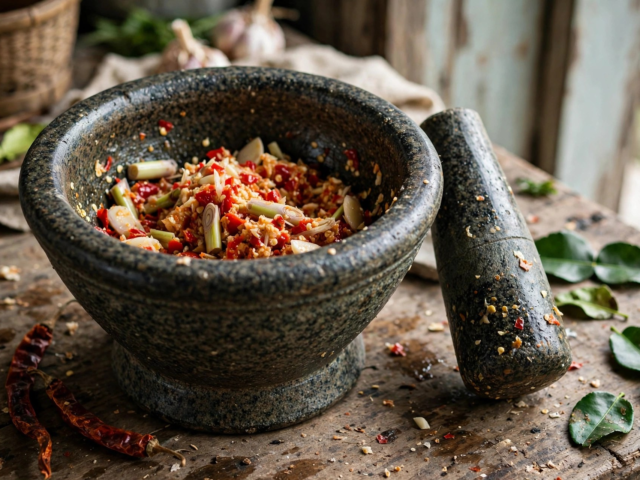
The backbone of Harry’s satay marinade is an aromatic paste that you either pound in a mortar and pestle or pulse in a food processor. The core ingredients typically include lemongrass (use only the tender white part), fresh turmeric or turmeric powder, shallots, garlic, galangal (or ginger as a substitute, though galangal has a sharper, more citrusy bite), and sometimes a small amount of coriander seed and cumin.
Harry emphasizes using fresh ingredients wherever possible. Fresh turmeric stains everything it touches, but the earthy depth it brings to the marinade is worth the yellow-stained cutting board.
Coconut milk goes into the marinade as well. It adds richness, helps the paste cling to the meat, and contributes to caramelization during grilling. A tablespoon or two of palm sugar (or brown sugar) rounds things out. That sweetness isn’t there to make the satay taste like dessert — it’s there to promote browning and balance the spice.
The Meat
Traditional Malaysian satay most commonly uses chicken thigh meat. Breast works, but thigh meat has more fat, stays juicier over high heat, and absorbs the marinade better. Some versions use beef or lamb, but chicken satay is the most popular street food version in Malaysia, and it’s what Harry typically features.
The meat gets sliced into thin strips, about 1/4 inch thick, against the grain. Thin slicing is important — thick chunks won’t cook properly over high heat and won’t absorb enough marinade flavor. You thread the strips onto bamboo skewers in a weaving pattern so the meat stays flat and cooks evenly.
Pro Tip: Soak your bamboo skewers in water for at least 30 minutes before threading the meat. This prevents them from burning to ash over the hot grill. Some people soak them overnight — the longer, the better.
The Peanut Sauce
Harry Soo’s peanut sauce follows a traditional Malaysian approach. You start by dry-roasting raw peanuts until they’re golden and fragrant, then grind them — not into smooth peanut butter, but into a coarse, chunky texture.
The sauce base involves cooking a paste of dried chilies, shallots, garlic, and lemongrass in oil until fragrant. You add the ground peanuts, a splash of tamarind paste dissolved in water, palm sugar, and salt. The whole thing simmers until it thickens into a rich, slightly chunky sauce.
The tamarind is the secret weapon here. It adds a sour tang that cuts through the richness of the peanuts and the fat from the grilled meat. Without it, the sauce can taste flat and one-dimensional.
Step-by-Step: How to Make Harry Soo’s Malaysian Satay
Preparing the Marinade
Start by blending or pounding your aromatics into a paste. You want it smooth enough to coat the meat evenly but don’t stress about making it perfectly silky — some texture is fine and even traditional.
Mix the paste with coconut milk, sugar, a pinch of salt, and a drizzle of vegetable oil. Some recipes also include a teaspoon of ground coriander and ground cumin at this stage. These spices add warmth without overpowering the lemongrass and turmeric.
Toss your thinly sliced chicken thigh meat into the marinade, making sure every piece gets coated. Cover and refrigerate for a minimum of 4 hours, though overnight is ideal. The longer the meat marinates, the deeper the flavors penetrate. This patience is similar to what you’d invest when preparing something like a proper Chinese char siu pork, where time in the marinade makes all the difference.
Threading the Skewers
Take your soaked bamboo skewers and thread the marinated meat strips, weaving them onto the stick in a gentle S-shape. Each skewer should have about 3-4 strips of meat. Don’t pack them too tightly — you want the heat to reach all surfaces.
Keep the meat relatively flat on the skewer. This gives you maximum surface area for char, which is exactly what you want.
Setting Up the Grill
Harry Soo typically uses charcoal for his satay, and there’s a good reason for that. Charcoal grilling gives you the high, direct heat and subtle smoky flavor that makes street-vendor satay so irresistible. If you’re using a gas grill, crank it to the highest setting and let it preheat for at least 10-15 minutes with the lid closed.
For charcoal, set up a hot direct grilling zone. You want the coals close to the grate — screaming hot. Traditional Malaysian satay vendors grill just inches above the coals.
Quick Fact: Street satay vendors in Malaysia use special narrow charcoal grills that concentrate the heat directly under the skewers. You can replicate this effect at home by banking your coals into a narrow strip rather than spreading them across the entire grill.
Grilling the Satay
Here’s where technique really matters. Place the skewers on the grill and resist the urge to walk away. Satay cooks fast — we’re talking about 2-3 minutes per side. The thin meat strips cook quickly, and the sugar in the marinade can burn if you’re not paying attention.
While the skewers grill, baste them with a mix of oil and leftover marinade using a brush made from lemongrass stalks (a traditional technique) or a regular basting brush. This basting adds another layer of flavor and promotes that gorgeous caramelized exterior.
Look for deep golden-brown char marks with some blackened edges. That charred sweetness is essential to the satay experience — don’t be afraid of a little blackening. It’s not burned; it’s flavor.
Warning: Because the marinade contains coconut milk and sugar, you’ll get flare-ups over charcoal. Keep a spray bottle of water nearby to manage flames, but don’t douse the coals completely. A few flare-ups actually help char the meat in the right way.
Serving the Satay
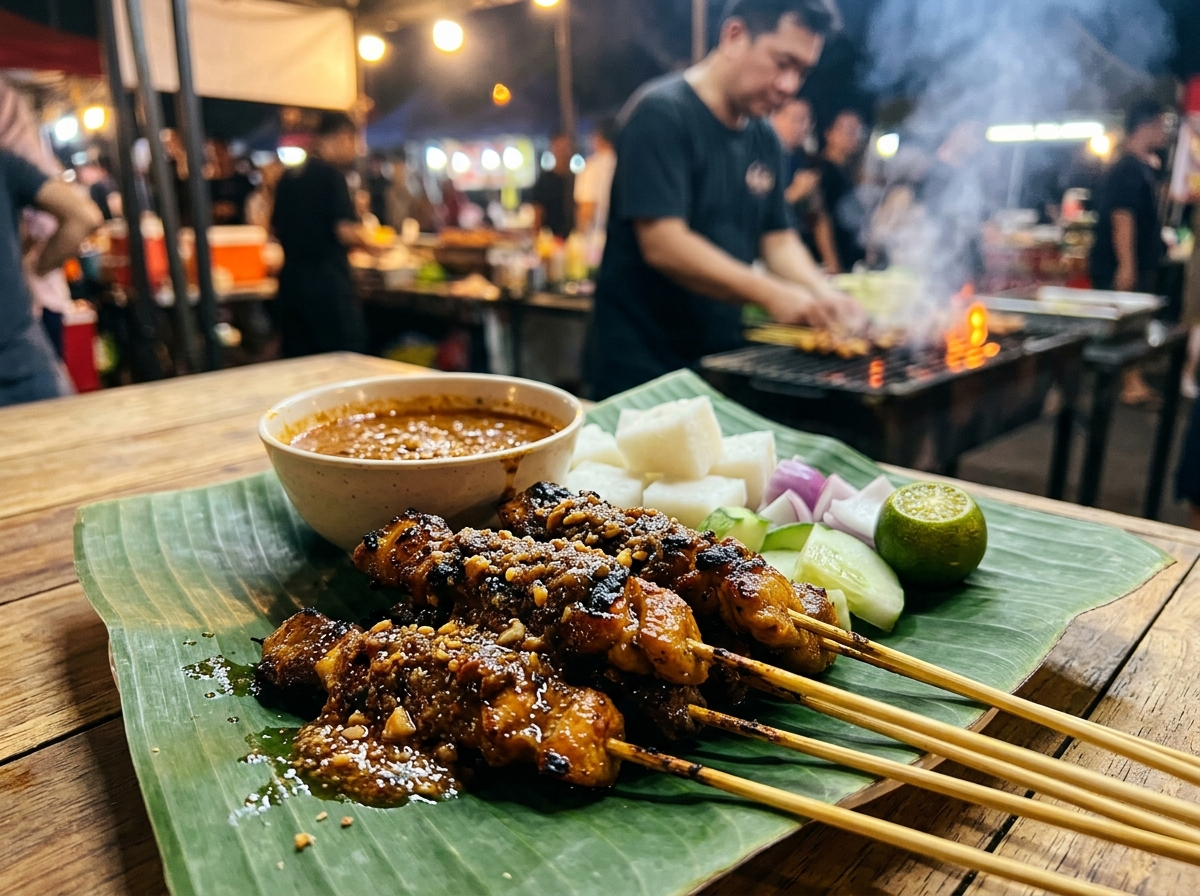
Traditional Malaysian satay comes with a few essential accompaniments: the chunky peanut sauce, compressed rice cakes (called nasi impit or ketupat), sliced cucumber, and sliced raw red onions.
The compressed rice cakes are made by cooking rice until it’s very soft, pressing it into a mold, and letting it cool until firm. You slice them into cubes, and they serve as a starchy base to go with the rich, spicy satay. If you don’t want to make ketupat, plain steamed jasmine rice works perfectly fine. You can keep your cooked rice fresh in the fridge for a couple of days if you want to prep ahead.
The cucumber and onion aren’t just garnish — they’re palate cleansers. The cool crunch of cucumber cuts through the richness of the peanut sauce and grilled meat, while the sharp bite of raw onion adds contrast.
Common Mistakes That Ruin Homemade Satay
Even with a solid recipe like Harry Soo’s, there are a few pitfalls that can turn your satay from spectacular to disappointing.
Cutting the meat too thick is probably the most common mistake. Satay isn’t a kebab. The meat should be thin strips, not cubes. Thick pieces won’t cook through properly over high heat, and you’ll end up with raw centers and burnt outsides.
Not marinating long enough is another frequent problem. A 30-minute marinade will give you surface-level flavor at best. Malaysian satay needs time — the aromatics and coconut milk need hours to work their way into the meat. Think of it like a relationship: depth takes time.
Using medium heat instead of high heat changes the whole character of the dish. Satay needs aggressive heat for quick charring. Low or medium heat will slowly steam the meat instead of searing it, and you’ll lose that smoky, caramelized crust that defines great satay.
Substituting regular peanut butter for the sauce is tempting but disappointing. Jarred peanut butter, especially American-style brands, contains added sugar, salt, and stabilizers that throw off the balance of a proper satay sauce. Dry-roasting whole peanuts and grinding them yourself takes an extra 15 minutes, but the flavor difference is enormous.
Tips From Harry Soo That Elevate the Dish
Harry brings his competitive BBQ mindset to this dish, and a few of his techniques are worth highlighting.
He often talks about the importance of fat in the meat. Chicken thighs outperform chicken breasts for satay every single time. The intramuscular fat in thigh meat keeps the satay juicy even when exposed to intense heat. If you do use breast meat, you’ll need to be extremely careful about overcooking.
Another tip Harry shares is about layering flavor. The marinade gives you the first layer. Basting during grilling gives you the second layer. And the peanut sauce delivers the third. Each element does a different job, and together they create something greater than the sum of its parts.
He also recommends letting the threaded, marinated skewers come to room temperature for about 20-30 minutes before grilling. Cold meat straight from the fridge hits the hot grill and contracts, which can make it tough. Room temperature meat relaxes on the grill and stays tender.
If you enjoy this kind of thoughtful approach to grilled meat, you’d probably love trying Korean short ribs (kalbi), where the marinade-to-grill technique follows a similar philosophy.
How to Adapt This Recipe for Different Proteins
While chicken is the classic choice, Harry Soo’s marinade and technique work beautifully with other proteins too.
Beef satay uses the same marinade but benefits from slightly fattier cuts like sirloin or even short rib slices. Beef satay is hugely popular in Malaysia, especially in the northern states. You’ll want to slice the beef a touch thinner than chicken since it’s a denser protein.
Lamb satay shows up at Malaysian celebrations and is considered a premium version. The gamey flavor of lamb pairs exceptionally well with the turmeric-lemongrass marinade. Use boneless leg of lamb, sliced thin.
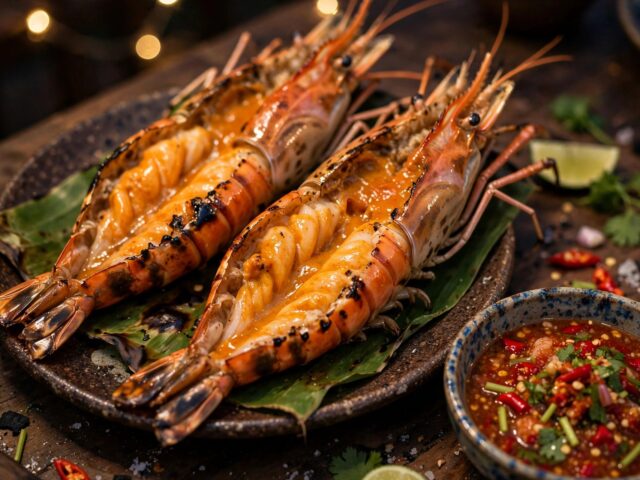
Shrimp satay is less traditional but works surprisingly well. Thread peeled, deveined shrimp onto double skewers (two parallel skewers per set of shrimp) so they don’t spin when you flip them. Shrimp need even less time on the grill — about 1-2 minutes per side. If you’re curious about getting shrimp perfect on the grill, check out these tips on the best temp to grill shrimp.
For a vegetarian option, firm tofu or seitan can stand in. Press the tofu for at least 30 minutes to remove excess moisture, then cut it into rectangles and marinate just like the meat. The tofu won’t absorb the marinade as deeply, but it’ll still pick up plenty of flavor during grilling.
Pairing Ideas — What to Serve Alongside Malaysian Satay
Harry Soo’s satay works as a standalone appetizer, a party snack, or even the star of a full dinner spread. Here are some ideas for rounding out the meal.
A simple cucumber and red onion salad with rice vinegar dressing echoes the traditional accompaniments and keeps things light. If you want something heartier, a side of coconut rice (nasi lemak style) turns the satay into a complete meal.
For a bigger Southeast Asian spread, pair the satay with something like bami goreng or nasi goreng for a table full of bold, complementary flavors.
If you’re grilling for a crowd, a platter of satay alongside gochujang chicken gives your guests two completely different Asian grilling styles to enjoy — one Southeast Asian, one Korean, both absolutely delicious.
A cold beer works wonders alongside satay. In Malaysia, Tiger beer is the classic pairing. Anything light and crisp will do the trick, though — the carbonation cuts through the richness of the peanut sauce perfectly.
Why Harry Soo’s Version Stands Out From Other Recipes Online
There are hundreds of satay recipes floating around the internet, so why does Harry Soo’s version get so much attention?
Part of it is credibility. Harry isn’t guessing at how satay should taste — he grew up eating the real thing and has the culinary skills to replicate it with precision. A lot of satay recipes online are written by people who’ve maybe eaten satay once or twice at a Thai restaurant (not even a Malaysian one) and are working backward from that experience.
Part of it is his technique. Harry applies barbecue competition principles to a street food dish. He thinks about heat zones, meat temperature, basting timing, and surface-to-volume ratios. That level of attention to detail turns a home-cooked skewer into something that genuinely rivals what you’d get from a veteran satay vendor on Jalan Alor in Kuala Lumpur.
And part of it is simply taste. People who’ve made his recipe consistently rave about how much better it is than other versions they’ve tried. The depth of the marinade, the proper char on the meat, the peanut sauce that actually tastes like it was made in Malaysia — it all comes together.
Frequently Asked Questions
Can I make Harry Soo’s Malaysian satay in the oven instead of a grill?
You can, but you’ll lose some of the charred, smoky flavor that makes satay special. Use your oven’s broiler setting on high and place the skewers on a wire rack set over a baking sheet. Position the rack about 4 inches from the broiler element. Watch them closely — they’ll need about 3-4 minutes per side. An oven won’t replicate the charcoal flavor, but a light brushing of liquid smoke in the marinade can help bridge the gap.
How far ahead can I prepare the satay skewers?
You can marinate the meat and thread the skewers up to 24 hours in advance. Keep them covered in the refrigerator. The peanut sauce can be made 2-3 days ahead and stored in an airtight container in the fridge — just warm it up gently before serving and add a splash of water if it thickens too much. Prepping ahead makes this an excellent party dish since all you need to do at serving time is fire up the grill.
What’s the difference between Malaysian satay and Thai satay?
Both share some similarities, but they’re distinctly different dishes. Malaysian satay tends to use a bolder turmeric-heavy marinade and is always served with a chunky, tamarind-spiked peanut sauce. Thai satay often includes yellow curry paste or curry powder in the marinade and comes with a smoother, sweeter peanut sauce plus a side of cucumber relish (ajad). The grilling technique is similar, but the flavor profiles go in different directions. Harry Soo’s recipe stays firmly in the Malaysian tradition.
Can I use an air fryer for satay?
An air fryer can work in a pinch. Preheat it to 400°F (200°C), arrange the skewers in a single layer (you may need to trim the sticks to fit), and cook for about 8-10 minutes, flipping halfway through. You’ll get some browning, but the char won’t be as pronounced as with a real grill. For the most authentic results, charcoal grilling remains the best method.
Is Malaysian satay gluten-free?
The satay itself — meat, marinade, and traditional peanut sauce — is naturally gluten-free. The typical ingredients (lemongrass, turmeric, coconut milk, peanuts, tamarind) don’t contain gluten. Just double-check any soy sauce if your recipe includes it, and opt for tamari or a certified gluten-free soy sauce to be safe.
Your Next Backyard Cook Starts Here
Harry Soo’s Malaysian satay isn’t just a recipe — it’s a bridge between two food cultures. It takes the soul of Malaysian street food and puts it in the hands of anyone with a backyard grill and a willingness to prep a proper marinade. The ingredients aren’t hard to find (most Asian grocery stores carry everything you need), the technique isn’t complicated once you understand the high-heat approach, and the payoff is a plate of smoky, tender, intensely flavorful skewers that’ll make your guests forget every mediocre satay they’ve ever eaten.
Start with chicken thighs. Make the marinade the night before. Roast your own peanuts for the sauce. Get your coals screaming hot. And don’t forget the cucumber slices — that cool crunch between bites of charred, spice-soaked meat is pure perfection.
Once you’ve nailed satay, your grill confidence will be through the roof. You might even find yourself tackling other Asian grilling projects, like a proper teriyaki chicken bowl or smoky Asian pork burnt ends. The backyard grill has no borders — and Harry Soo proved that a long time ago.