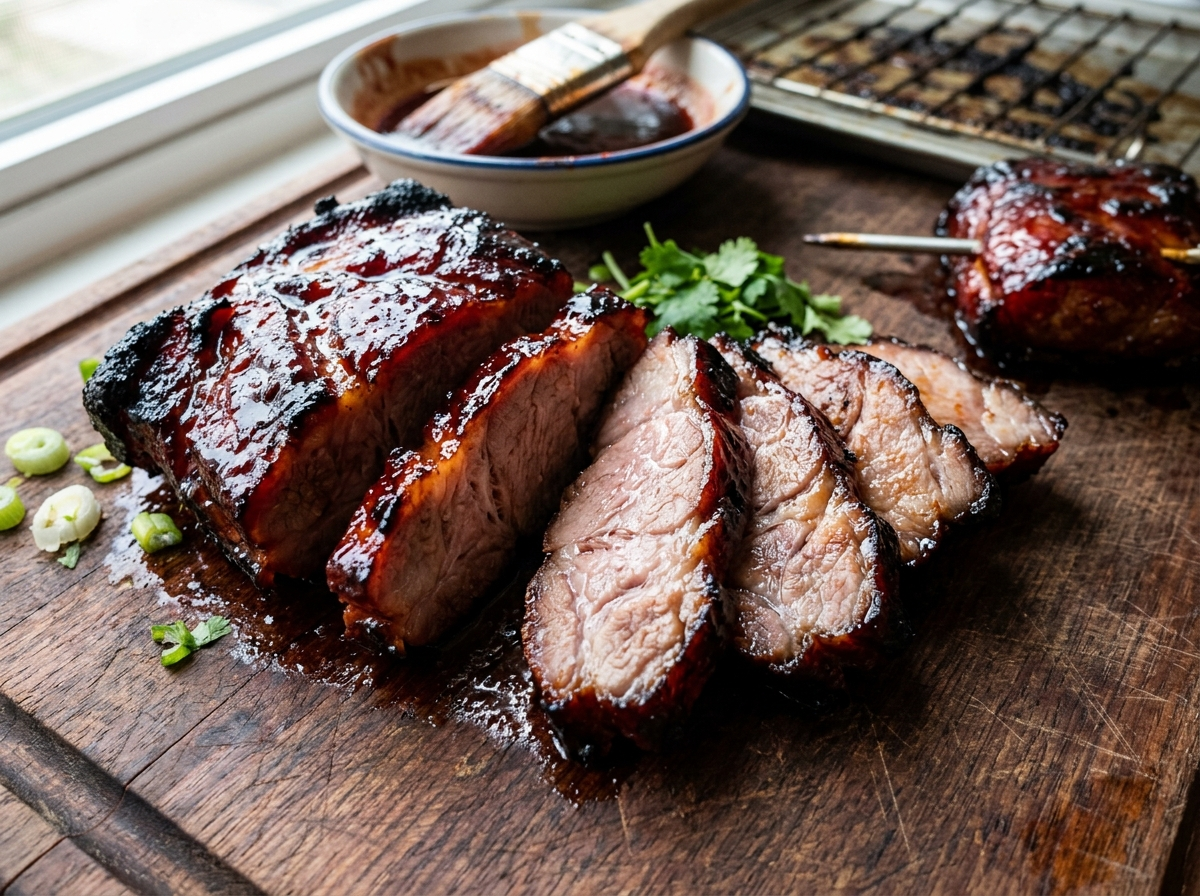
Most people’s first bite of char siu happens at a Chinese restaurant or a dim sum place — those glossy, sticky-sweet strips of roasted pork with caramelized edges that practically melt. And then comes the question: “Can I make this at home?” You absolutely can. But here’s where most home cooks stumble — they either overcook the pork into a dry slab or undercook it and panic about food safety. The secret? It’s all about understanding the right temperatures and picking a technique that matches your setup.
This guide breaks down every temperature you need to know for char siu pork — internal doneness temps, oven settings, grill zones, and even resting temps. You’ll also get a clear look at different cooking techniques so you can choose what works best for your kitchen, your schedule, and your taste buds.
What Makes Char Siu Pork Different from Regular Roast Pork
Before we talk temps, it helps to understand what you’re actually cooking. Char siu (叉燒) literally translates to “fork-roasted” in Cantonese. Traditional char siu was skewered on long forks and roasted over an open fire in large ovens. The meat gets coated in a sweet-savory marinade — typically a mix of hoisin sauce, five-spice powder, soy sauce, honey, and sometimes red fermented bean curd (which gives it that iconic reddish hue).
The cut of pork matters a lot here. Char siu is almost always made with pork shoulder (butt) or pork neck/collar. These cuts have good marbling, which means intramuscular fat that keeps the meat juicy even at higher temperatures. Some people use pork loin or tenderloin, but those leaner cuts dry out fast and don’t forgive temperature mistakes.
So if you’re choosing your cut, go with pork butt or collar. The fat content gives you a wider margin of error with your cooking temps — and that matters when you’re chasing those caramelized, slightly charred edges.
The Right Internal Temperature for Char Siu Pork
Let’s talk about the number everyone searches for: what internal temperature should char siu pork reach?
The USDA updated its pork cooking guidelines back in 2011, lowering the recommended internal temperature for whole cuts of pork from 160°F to 145°F (63°C), followed by a 3-minute rest. That guideline still holds in 2025. At 145°F, pork is safe to eat and will have a slightly pink center — which is perfectly fine.
But here’s the thing with char siu specifically: you’re not cooking a simple pork chop. You’re working with a fattier, thicker cut that benefits from going a bit higher. Most char siu recipes — especially those from experienced Cantonese cooks — aim for an internal temp between 155°F and 165°F (68–74°C). At this range, the connective tissue in pork shoulder has had time to soften, the fat has rendered nicely, and you get that tender, pull-apart texture that defines great char siu.
If you’re using pork tenderloin (not recommended, but some people do), pull it at 145°F and let it rest. Go any higher with tenderloin, and you’ll have shoe leather.
Pro Tip: Always use an instant-read meat thermometer. Don’t guess. Insert it into the thickest part of the meat, avoiding any fat pockets. A reliable digital thermometer takes the mystery out of the whole process.
Oven Temperatures and Timing: The Most Common Method
The oven is the go-to method for most home cooks making char siu, and it works beautifully if you manage your temperatures right.
The Two-Stage Approach
The best results come from a two-stage cooking method. You start at a moderate temperature to cook the pork through evenly, then blast it with high heat at the end to get that sticky, caramelized glaze.
Stage 1: Set your oven to 325°F (163°C). Place your marinated pork on a wire rack set over a foil-lined baking sheet (this catches drips and makes cleanup easier). Cook for roughly 25–30 minutes, then flip the pieces and baste with reserved marinade. Continue cooking for another 20–25 minutes. For a typical 2-pound piece of pork butt cut into long strips (about 2 inches thick), you’re looking at approximately 45–55 minutes total at this stage.
Stage 2: Crank the oven to broil (or 475°F/245°C if your broiler is unreliable). Brush a thick layer of honey-based glaze over the pork. Broil for 2–3 minutes per side, watching carefully — the sugars in the glaze can go from perfectly caramelized to burnt in under a minute. You want charred spots, not a blackened disaster.
That final broiling stage is where the magic happens. It’s what gives char siu those signature lacquered, slightly blistered edges. Keep the oven door cracked while broiling so you can watch the surface closely.
Single Temperature Method
If you’d rather keep things simple, you can roast at a steady 375°F (190°C) for the entire cook. This takes about 35–45 minutes for strips that are about 2 inches thick. Baste every 15 minutes with your glaze. You’ll still get good results, though the caramelization won’t be quite as dramatic as the two-stage method.
Either way, start checking the internal temperature around the 30-minute mark. Pull the pork when your thermometer reads about 160°F (71°C) — the temperature will climb another 5 degrees or so during resting.
Grilling Char Siu Pork: Smoky and Authentic
Grilling actually brings you closest to the traditional char siu experience. That open flame, the smoke, the direct heat caramelizing the sugars — it’s hard to beat.
Setting Up Your Grill
You want a two-zone fire. On a charcoal grill, pile your coals on one side. On a gas grill, light one side and leave the other off. This setup gives you an indirect zone (around 325–350°F) for cooking the pork through and a direct-heat zone for getting that char at the end.
Place your marinated pork strips on the indirect side. Close the lid and let them cook for about 20–25 minutes, flipping once. Baste with your glaze each time you flip. Then move the strips over to the direct-heat side for 1–2 minutes per side, brushing on a final coat of glaze. The sugars will bubble and caramelize quickly over the flames.
If you’re grilling other Asian-inspired meats, Asian sticky wings use a similar two-zone approach and benefit from the same sticky-sweet glazing technique during the last few minutes of cooking.
Grill Temperature Specifics
Keep the overall grill temperature around 325–350°F (163–177°C) on the indirect side. The direct side will naturally be much hotter — 450°F+ — which is exactly what you need for that quick sear. If you have a grill with a built-in thermometer, use it. If not, the hand test works: hold your palm about 6 inches above the grate. If you can keep it there for 4–5 seconds on the indirect side, you’re in the right zone.
Warning: Don’t walk away during the final searing stage. The honey, hoisin, and sugar in char siu glaze burn incredibly fast over direct flame. Stay close, tongs in hand.
Smoking Char Siu: Low and Slow with a Twist
This one’s for the BBQ enthusiasts who own a smoker and want to put their own spin on char siu. Smoking isn’t traditional for this dish, but it works surprisingly well — especially if you’re already familiar with Asian pork burnt ends, which share a similar sweet-meets-savory profile.
Smoker Setup and Temps
Set your smoker to 275°F (135°C). Use a mild fruitwood like cherry or apple — heavy smoke from hickory or mesquite can overpower the delicate five-spice and hoisin flavors. You’re not making Texas brisket here. Subtlety matters.
Place the marinated pork strips directly on the smoker grates. Let them cook for about 1.5 to 2 hours, basting with glaze every 30 minutes. The lower temperature gives the smoke time to penetrate the meat while the fat slowly renders.
When the internal temp hits about 150°F (65°C), start glazing more aggressively. You can finish the pork under a hot broiler in your kitchen or crank up the smoker vents to spike the temperature for a quick sear. Target a final internal temp of 160–165°F (71–74°C) before resting.
The result? Tender char siu with a whisper of smoke — something you won’t find at most Chinese restaurants. It’s a fun crossover between Cantonese roasting and American BBQ.
The Marinade and How It Affects Your Cooking Temps
Your marinade isn’t just about flavor — it directly impacts how you manage your cooking temperatures. Char siu marinade is sugar-heavy, and sugar burns. That’s the central tension of cooking this dish: you need enough heat to caramelize the glaze, but too much heat for too long will turn your beautiful char siu into a bitter, charred mess.
A classic char siu marinade includes hoisin sauce, soy sauce, Chinese cooking wine (Shaoxing wine is ideal), honey, five-spice powder, garlic, and sometimes red food coloring or red fermented tofu for color. The honey and hoisin are the big sugar sources, and they start caramelizing around 320°F (160°C) at the surface level.
This is exactly why the two-stage cooking method works so well. You cook at a moderate 325°F first — just below or right at the caramelization threshold — and then hit it with intense heat for a very short time at the end. The glaze gets its moment to shine without burning.
Quick Fact: Traditional Hong Kong char siu shops use special ovens that can reach 500°F+, but they cook the pork hanging vertically on hooks, which means the dripping fat and sugar don’t pool and burn. In a home oven, placing your pork on a wire rack mimics this effect by keeping the meat elevated.
Resting Your Char Siu: The Step Most People Skip
You pulled your pork at the right temperature. You got those gorgeous glazed edges. Now — don’t cut it yet. Resting isn’t optional. It’s part of the cooking process.
When you rest char siu pork for 8–10 minutes loosely tented with foil, two things happen. First, carryover cooking raises the internal temperature by about 5°F, which finishes the cooking gently without drying out the surface. Second, the muscle fibers relax and reabsorb some of the juices that were pushed toward the center during cooking. Cut too soon, and those juices end up on your cutting board instead of in each slice.
This same resting principle applies to pretty much any protein — whether you’re making Korean short ribs or a simple grilled chicken breast. Let the meat rest, and it’ll reward you.
After resting, slice your char siu against the grain into pieces about ¼-inch thick. You’ll notice the interior is juicy and tender with a pink-tinged smoke ring (if you smoked it) or a slightly rosy center (if you hit that 155–160°F sweet spot).
Serving Ideas and What to Pair It With
Great char siu pork is versatile. You can eat it straight — sliced and drizzled with the pan juices — or use it as a component in other dishes.
Thin slices of char siu over steamed jasmine rice with a drizzle of oyster sauce is the simplest and most satisfying option. Char siu also works beautifully in fried rice, stuffed into bao buns (char siu bao is one of the most popular dim sum items in the world), or layered into ramen bowls.
Speaking of ramen, if you’ve ever wondered how those deeply flavored toppings come together, ajitsuke kikurage mushrooms make a great textural pairing alongside sliced char siu in a bowl of tonkotsu or miso ramen.
For a complete meal, serve your char siu alongside some Korean-style bok choy for a nice contrast — the fresh, slightly bitter greens balance the rich sweetness of the pork.
Storing Leftover Char Siu Pork Safely
If you’ve made a big batch (and you should — char siu reheats well), you’ll want to store leftovers properly.
Let the pork cool to room temperature — but don’t leave it out for more than 2 hours. Slice it, place it in an airtight container, and refrigerate. Properly stored char siu lasts 3–4 days in the fridge. For longer storage, wrap individual portions tightly in plastic wrap, then in foil, and freeze for up to 3 months.
This is similar to how you’d handle cooked rice in the fridge — the key is getting it sealed and refrigerated promptly to prevent bacterial growth.
To reheat, a quick blast in a hot oven (400°F for 5–7 minutes) or on a grill works best. Microwave reheating is fine for convenience, but you’ll lose that crispy glazed exterior.
Troubleshooting Common Char Siu Problems
Even experienced cooks run into issues with char siu occasionally. Here are the most common ones and how to fix them.
Dry, tough pork: You either used too lean a cut (like tenderloin) or cooked past 170°F internal temp. Switch to pork butt or collar, and pull it from the heat at 160°F.
Glaze burned, not caramelized: Your broiler or grill was too close to the meat, or you left it too long. Keep the pork at least 4–5 inches from the broiler element, and watch it constantly during the final glazing stage. Two minutes is often enough.
No color — pale and sad-looking: You probably didn’t reduce your glaze enough before the final baste, or your oven wasn’t hot enough during the finishing stage. Make sure your glaze has a thick, syrupy consistency before brushing it on for that last blast of heat.
Meat didn’t absorb the marinade flavor: Char siu needs time. Marinate for at least 4 hours, but overnight (12–24 hours) is much better. Score shallow cuts into the surface of the meat to help the marinade penetrate deeper.
FAQ
What is the ideal internal temperature for char siu pork?
For pork shoulder or pork collar — the best cuts for char siu — aim for an internal temperature between 155°F and 165°F (68–74°C). The USDA minimum for safe pork is 145°F with a 3-minute rest, but the higher range gives you better fat rendering and a more tender texture that’s characteristic of authentic char siu.
Can I make char siu pork in an air fryer?
Yes, and it actually works quite well. Set your air fryer to 350°F (177°C) and cook marinated pork strips for about 15–18 minutes, flipping and basting halfway through. For the last 2–3 minutes, bump the temperature up to 400°F (204°C) to caramelize the glaze. Just be aware that air fryers vary in power, so check the internal temp early and adjust accordingly.
How long should I marinate pork for char siu?
A minimum of 4 hours will give you decent flavor, but 12–24 hours in the fridge is the sweet spot. The longer marination allows the soy sauce, five-spice, and hoisin to penetrate deeper into the meat. Don’t go beyond 48 hours, though — the salt and acid in the marinade can start to break down the surface texture of the pork, making it mushy.
Is it okay if char siu pork looks pink inside?
Absolutely. A slightly pink interior at 145–160°F is perfectly safe for whole cuts of pork. The pink color can also come from the marinade ingredients (especially red fermented tofu or food coloring) and from the curing effect of certain sauces. If you’re using a smoker, you’ll see a pink smoke ring near the surface — that’s a sign of good technique, not undercooking.
What’s the best wood for smoking char siu pork?
Fruitwoods like cherry and apple are your best bet. They produce a mild, slightly sweet smoke that complements rather than competes with the five-spice and hoisin flavors. Avoid strong woods like mesquite, which can make the pork taste harsh and bitter.
Your Next Move
Char siu pork is one of those dishes that looks impressive on the plate but isn’t actually complicated once you understand the temperatures and timing. Pick a good fatty cut, give it a proper overnight marinade, cook it using whatever method you have available — oven, grill, or smoker — and watch your thermometer like a hawk during the last 10 minutes. Pull it at the right temp, rest it, slice it against the grain, and you’ve got restaurant-quality char siu at home.
The real secret is practice. Your second batch will be better than your first, and by the third, you’ll be tweaking the glaze and adjusting cook times to match your own taste. That’s the fun part — making the recipe yours. So fire up whatever you’re working with, and give it a shot this weekend.