Raw lobster does show up on some upscale menus, but that doesn’t mean it’s a smart thing to try on a random Tuesday at home. If you’re asking can you eat raw lobster, the honest answer is yes, people do eat it raw in some places, but it carries real food safety risks.
For most people, cooked lobster is the safer choice by far. Raw lobster can spoil fast, pick up bacteria, and make you sick if it wasn’t handled the right way from the moment it left the water.
Can You Eat Raw Lobster? What to Know
Quick answer: Yes, you can eat raw lobster, and some restaurants serve dishes like lobster sashimi or raw lobster carpaccio. But for most people, especially at home, it’s not the safest choice. Raw lobster can carry harmful bacteria, and “fresh” doesn’t always mean “safe to eat raw.”
Can You Eat Raw Lobster? The Short Answer
A plain answer helps here: yes, but you probably shouldn’t unless it comes from a very reputable restaurant that knows how to handle raw seafood properly.
That’s the part a lot of articles skip. They give you a simple yes or no, but the real decision is about risk. Can your body chew and swallow raw lobster? Sure. Is it a good idea from a food safety point of view? Usually, no.
Raw lobster isn’t like grabbing an apple and eating it as-is. It’s also not exactly the same as raw tuna at a sushi bar. Lobster is delicate, perishable, and easy to mishandle. Once temperature control slips, the safety window gets smaller fast.
You’ll also see people compare raw lobster to oysters, ceviche, or sushi-grade fish. That sounds reasonable at first. Still, those foods don’t all follow the same safety rules. Lobster has its own set of risks.
Definition: Raw lobster means lobster meat that is served uncooked, or only lightly cured, marinated, or chilled. If heat didn’t cook it through, it still counts as raw.
Why Raw Lobster Can Be Risky
Bacteria are the biggest concern
The main issue with raw lobster is bacteria, not just taste or texture.
Marine seafood can carry germs such as Vibrio bacteria from seawater. Lobster can also pick up contamination during harvesting, transport, storage, or prep. Add a warm kitchen, a dirty cutting board, or bad refrigeration, and the problem grows.
The FDA and CDC have long warned that raw or undercooked seafood can cause foodborne illness. Symptoms can range from annoying stomach trouble to serious infection, especially in people with weaker immune systems.
That doesn’t mean every bite of raw lobster will make you sick. It means you’re taking a chance every time you eat it uncooked.
Think of it like this: cooked lobster gives you a built-in safety layer. Raw lobster doesn’t.
Lobster spoils fast
Lobster meat is not very forgiving. Once a lobster dies, the meat starts to break down and bacteria can grow quickly if it isn’t kept very cold.
That’s one reason chefs and fishmongers treat lobster carefully. A live lobster is one thing. A lobster that died hours ago and sat too warm is a very different story.
Warning: If you bought a live lobster and found it dead later, don’t assume it’s still safe. If you don’t know exactly when it died and how cold it stayed, don’t eat it raw. In many cases, it’s smarter not to eat it at all.
“Fresh” doesn’t mean “raw-safe”
A lot of people hear “fresh lobster” and think “best for raw eating.” That sounds logical, but it’s not a guarantee.
Fresh off the boat lobster can still carry bacteria. It can also be mishandled on the way to the market or in your own kitchen. Raw safety depends on the full chain: source, storage, temperature, sanitation, and speed.
That’s why “very fresh” is only part of the story.
Some people should avoid raw lobster completely
For some readers, the answer is even more direct: don’t risk it.
Raw lobster is a bad bet if you are:
- pregnant
- over 65
- a young child
- immunocompromised
- living with liver disease, diabetes, or another serious health condition
People in these groups can get much sicker from germs that might only cause mild stomach issues in someone else.
If that’s you, stick with fully cooked lobster and other fully cooked seafood.
Why Some Restaurants Serve Raw Lobster Anyway
Yes, lobster sashimi is a real dish
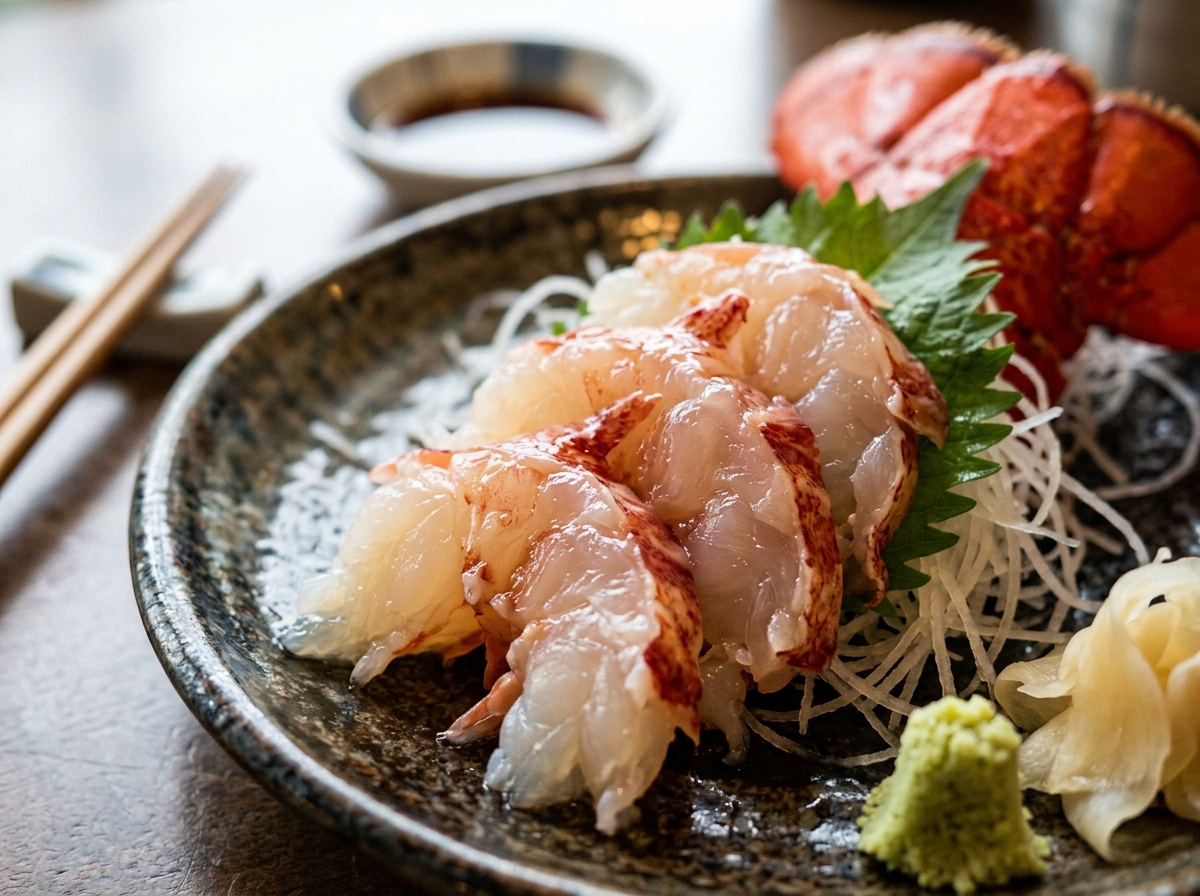
If you’ve seen lobster sashimi online, you weren’t imagining it. In Japanese dining, some restaurants serve raw spiny lobster, often prepared from a live lobster and plated right away.
The meat is usually sweet, slightly firm, and almost translucent. Fans like the clean taste and delicate texture. In a fine-dining setting, part of the appeal is freshness and presentation.
That doesn’t make it risk-free. It just means the kitchen is trying to keep the risk lower by controlling every step.
Skilled handling changes the odds
A serious restaurant that serves raw lobster usually works with:
- very fresh or live product
- strict cold storage
- sanitized tools and prep areas
- fast service after cutting
- trained staff who handle raw seafood often
That setup is very different from buying a lobster tail at the store, thawing it in your fridge, and slicing it on the same board you used for vegetables.
A restaurant can reduce the risk. It can’t erase it.
“Sushi-grade” is not a magic shield
People love the phrase “sushi-grade,” but it causes a lot of confusion.
Did you know? In the United States, “sushi-grade” isn’t an official federal safety label. Stores and sellers use it, but it doesn’t work like a government stamp that guarantees raw safety.
For some fish, deep freezing helps lower parasite risk. That matters with certain species of fish more than it does with lobster. With lobster, the bigger concern is often bacterial contamination and handling, and freezing doesn’t solve that by itself.
People also group all raw seafood into one bucket. That’s not how it works. Fish roe, for example, is its own category. If you’re curious how seafood ingredients differ, this quick guide on what tobiko is shows why not every raw seafood item plays by the same rules.
The same goes for cured products. Plenty of people ask whether something smoky or silky is fully cooked. This article on is smoked salmon cooked or raw clears up that confusion well.
Ceviche-style lobster still counts as raw
A lot of home cooks think lime juice, lemon juice, or vinegar “cooks” seafood enough to make it safe.
It changes the texture, yes. It can make lobster look more opaque and firm. But acid does not reliably kill all harmful germs.
So if you’re thinking about lobster ceviche or a citrus-marinated raw lobster dish, treat it as raw seafood. Don’t assume the acid did the safety work that heat normally does.
Pro tip: If your goal is bright, fresh lobster flavor, cook the lobster first, chill it, and then toss it with citrus. You’ll get the same clean taste without taking the same risk.
What If You Already Ate Raw or Undercooked Lobster?
This is one of the most common real-life questions. Not “Should I?” but “I already did. Now what?”
Don’t panic, but don’t ignore it
A lot of people who eat a small amount of undercooked seafood end up fine. So there’s no need to spiral after one bite.
Still, pay attention to how you feel over the next several hours and into the next day or two. Foodborne illness symptoms can show up quickly, or they can take longer depending on the germ involved.
Watch for signs like:
- nausea
- vomiting
- diarrhea
- stomach cramps
- fever or chills
If your lobster looked very translucent, felt cold in the center, or had a slippery raw texture, there’s more reason to stay alert.
Get medical help sooner if symptoms are severe
Call a doctor or get urgent care if you have:
- severe diarrhea or vomiting
- blood in your stool
- signs of dehydration
- a high fever
- trouble breathing, swelling, or signs of an allergic reaction
Take action even faster if you’re pregnant, older, immunocompromised, or dealing with liver disease or another serious condition.
Medical note: This article is for general food safety education, not personal medical advice. If you feel very sick after eating raw seafood, a healthcare professional should guide your next step.
A common home scenario
Picture a backyard dinner. Someone grills lobster tails, and the outside looks fine. You cut into the thickest part and the center still looks glossy and partly translucent. You take a few bites before noticing.
That’s not the same as eating a plate of raw sashimi, but it still counts as undercooked lobster.
What should you do? Stop eating it, refrigerate the rest if you plan to cook it more right away, drink water, and watch for symptoms. Don’t assume the butter sauce fixed anything.
How to Make Lobster Safer at Home
Cooking is the easiest way to lower the risk
If you like lobster and want the least stressful route, cook it fully.
A good safety target for seafood is 145°F (63°C) in the thickest part. Lobster meat should turn opaque and firm, not glassy or jelly-like.
You can also use the texture test. Properly cooked lobster feels springy and solid. Raw or undercooked meat feels softer and more translucent.
Shell color helps a little, but it’s not enough on its own. A red shell doesn’t always tell you what the center of the meat is doing.
If you want a simple cooking method, this guide on how to grill lobster tails is a helpful place to start.
Buy from a source you trust
Your safest lobster usually comes from a seller who keeps seafood cold, clean, and moving quickly.
Look for lobster that smells clean and mild, not sour or strongly fishy. Raw lobster meat shouldn’t feel slimy. If you’re buying live lobster, ask how it has been stored and how long it has been there.
That little conversation can tell you a lot.
Keep it cold the whole time
Temperature control matters more than many people realize. Raw lobster should stay below 40°F (4°C) until you cook it.
Don’t let it sit on the counter while you answer texts, set the table, and chop herbs. Seafood warms up fast.
If you already have lobster at home and you’re not sure about timing, this article on how long lobster tails stay in the fridge can save you from guesswork.
Watch your kitchen habits
A clean source can still turn risky in a messy kitchen.
Use a separate cutting board for raw seafood. Wash knives, hands, counters, and the sink area after prep. Keep raw lobster away from salad greens, fruit, sauces, and anything else you won’t cook later.
Cross-contamination is sneaky. It’s one of those problems that feels small until it isn’t.
Leftovers need quick attention
Cooked lobster is safer than raw lobster, but it still won’t last forever.
Chill leftovers within two hours. If the weather is hot and food has been sitting outside, cut that to one hour. Store cooked lobster in a sealed container in the fridge and eat it within a few days.
If you meal prep seafood often, this guide on how long cooked shrimp lasts is useful too. The same cold-storage mindset applies to lobster.
Common Misconceptions About Raw Lobster
“If it’s fresh off the boat, it’s safe raw”
Not always.
Freshness helps quality, but it doesn’t wipe out bacteria. A lobster can be fresh and still unsafe to eat raw if it warmed up too much or got contaminated during handling.
A lot of food safety problems start with the sentence, “It seemed fresh.”
“Freezing makes raw lobster safe”
Freezing helps with some raw fish safety issues, especially parasites in certain species. That fact gets repeated so often that people start applying it to everything.
Lobster doesn’t work that neatly. Freezing is not a full safety fix for raw lobster. Harmful bacteria can still be the problem.
“If oysters can be eaten raw, lobster should be fine too”
This one comes up all the time.
Oysters and lobster are both seafood, but they aren’t handled the same way, and they don’t carry the same eating traditions. Raw oysters are their own category, with their own well-known safety warnings.
Lobster is different in texture, prep, spoilage pattern, and common serving style. If you’ve ever looked into how to open an oyster, you’ve already seen that raw shellfish handling can be very specific.
You can’t just copy one raw seafood habit over to another and expect the same result.
“A fancy restaurant means zero risk”
A better restaurant lowers the odds of a problem. That’s good. It still doesn’t make raw lobster risk-free.
Even at a respected seafood spot, you’re choosing a dish with more food safety risk than a fully cooked lobster tail. That doesn’t mean “never do it.” It means go in with open eyes.
4. FAQ Section
FAQ
Is raw lobster ever safe to eat?
Raw lobster can be served with care in a reputable restaurant that specializes in raw seafood, especially if the lobster is live, very fresh, and handled under strict cold conditions. Even then, the risk is not zero. For home cooks, raw lobster is usually not the safest choice.
Can you eat lobster sashimi at home?
You technically can, but it’s not something most people should try. Home kitchens usually don’t match restaurant-level seafood handling, sanitation, and speed. If you bought lobster from a grocery store or fish market and you aren’t fully trained in raw seafood prep, cook it instead.
What happens if you eat undercooked lobster?
You may be fine, or you may get food poisoning symptoms like nausea, vomiting, diarrhea, stomach cramps, fever, or chills. Symptoms can show up within hours or later, depending on the cause. If symptoms get strong, or if you’re in a high-risk group, contact a medical professional.
Does freezing raw lobster kill bacteria?
Not reliably enough to make raw lobster safe. Freezing can help with parasites in some fish, but raw lobster safety is more about proper handling, cold storage, and avoiding bacterial contamination. A frozen lobster tail is still not automatically safe for raw eating.
Can pregnant women eat raw lobster?
No, that’s not a good idea. Pregnant people should avoid raw or undercooked seafood because foodborne illness can be more serious during pregnancy. Fully cooked lobster is the safer option.
How can you tell if lobster is undercooked?
Undercooked lobster meat often looks translucent, glossy, or slightly jelly-like in the center. Properly cooked lobster should look opaque and firm. If you want more certainty, use an instant-read thermometer and aim for 145°F (63°C).
5. Conclusion
If you only remember one thing, make it this: raw lobster is possible, but it isn’t casual food.
A trained chef working with live lobster, strict cold storage, and clean prep can lower the risk. Your average home setup usually can’t do the same. So if you’re standing in your kitchen wondering whether to serve lobster raw, the smart move is simple: cook it well and enjoy it without second-guessing every bite.
If you’ve already bought lobster, your next best step is to store it properly, cook it through, and treat it like the premium seafood it is. A little caution here goes a long way.