Picture a tender, juicy meatball wrapped in a glistening coat of sticky rice — each grain standing up like a tiny pearl catching the light. That’s exactly what Chinese pearl balls look like when they come off the steamer, and they taste even better than they look. These little beauties have been showing up on dim sum carts and holiday tables across China for centuries, yet most home cooks outside Asia have never tried making them. That’s about to change for you.
Chinese pearl balls (珍珠丸子, zhēnzhū wánzi) aren’t complicated. They don’t need a deep fryer, a fancy oven, or obscure ingredients. All you really need is ground pork, glutinous rice, a few pantry staples, and a basic steamer. Thirty minutes of hands-on work, about twenty minutes of steaming, and you’ve got a dish that looks like it belongs in a restaurant.
In this article, you’ll learn the full history behind these pearl-like meatballs, get a tested recipe you can follow step by step, pick up some pro tips to avoid common mistakes, and discover fun variations that keep things interesting. Let’s get into it.
What Exactly Are Chinese Pearl Balls?
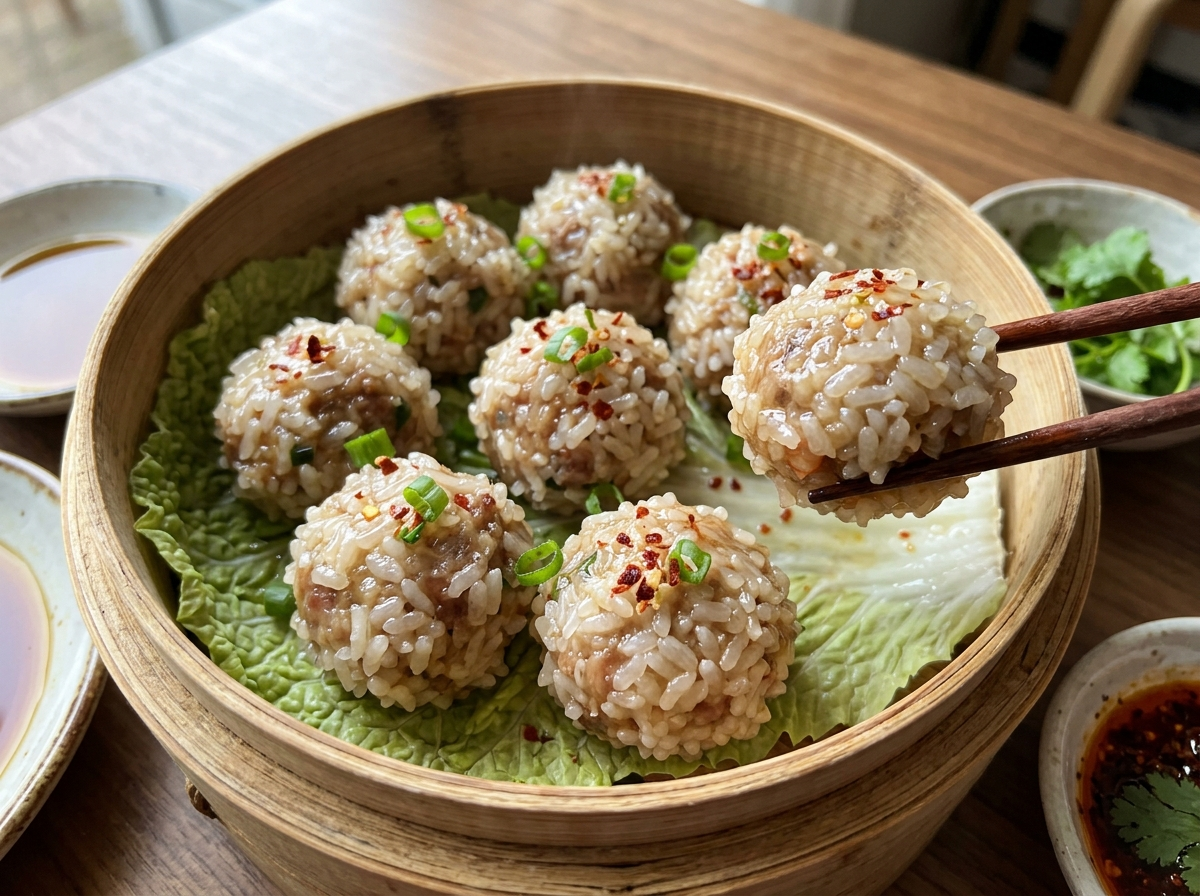
Chinese pearl balls are steamed meatballs coated in a layer of soaked glutinous rice. As the meatballs steam, the rice cooks and becomes translucent — shiny and round, resembling tiny pearls. That’s where the name comes from.
The meatball itself is usually made from ground pork, seasoned with ginger, soy sauce, sesame oil, and sometimes water chestnuts for crunch. You shape the mixture into balls, roll them in pre-soaked sticky rice, and steam everything until the rice is perfectly cooked and the meat is juicy inside.
They belong to the broader family of Chinese steamed dishes and are closely associated with dim sum culture, particularly in southern China. But pearl balls aren’t limited to dim sum restaurants. They’re also popular during Chinese New Year and other festive occasions, especially in the Hubei and Hunan provinces where some food historians believe the dish originated.
Think of them as the elegant cousin of a regular meatball — same comforting concept, but dressed up in a pearly coat that makes every bite a little more special.
The History and Cultural Roots of Pearl Balls
The origins of Chinese pearl balls trace back to the Hubei province, in central China. Some sources point to the city of Wuhan as the birthplace, though similar versions have existed across multiple Chinese regions for hundreds of years. The dish is sometimes called zhēnzhū wánzi (珍珠丸子) in Mandarin, and different provinces have their own slight twists on the recipe.
Pearl balls carry symbolic meaning, especially during celebrations. The round shape represents unity and completeness in Chinese culture — the same reason families eat tangyuan (sweet rice balls) during the Lantern Festival. The pearl-like appearance of the sticky rice adds an element of elegance and prosperity, making these meatballs a popular choice for wedding banquets and New Year feasts.
During the Qing Dynasty (1644–1912), steamed dishes gained wider popularity among both palace kitchens and common households. Pearl balls fit perfectly into the steaming tradition because they didn’t require oil and could be prepared in large batches using stacked bamboo steamers — practical for feeding big families during festivals.
What’s interesting is how the dish spread beyond China’s borders. You’ll find versions of pearl balls in Taiwanese dim sum menus, Vietnamese home cooking (where pork and sticky rice combinations are common), and even in some Japanese izakaya spots that serve Chinese-influenced appetizers. Each culture added its own touch, but the core idea — a savory meatball hugged by sticky rice — stayed the same.
If you enjoy dishes like Korean kimchi dumplings (mandu) or potstickers, you already appreciate the art of wrapping flavorful fillings in something starchy and satisfying. Pearl balls follow that same philosophy, just with rice on the outside instead of a dough wrapper.
Ingredients You’ll Need (and Why Each One Matters)
Let’s break down the ingredient list. You don’t need anything exotic — most of these are available at a regular grocery store or an Asian market.
For the Meatballs:
Ground pork is the traditional choice. You want a blend that’s about 70-80% lean with 20-30% fat. Too lean and your pearl balls will be dry and tough. That fat is what keeps them juicy and tender after steaming. Some recipes use a mix of pork and shrimp, which adds a subtle sweetness — worth trying once you’ve mastered the basic version.
Glutinous rice (also called sticky rice or sweet rice) is the star of the coating. Regular long-grain rice won’t work here. Glutinous rice has a higher starch content, which is what makes it sticky and translucent when cooked. You need to soak it for at least 4 hours, ideally overnight. If you’ve ever worked with sticky rice for mochi, you already know how different it behaves from regular rice.
Water chestnuts add crunch. Fresh ones are better, but canned work fine — just drain and chop them. They don’t add much flavor on their own, but the texture contrast they create inside the soft meatball is everything.
Ginger (fresh, minced) cuts through the richness of the pork and adds a warm, sharp note. About a tablespoon of freshly grated ginger is perfect for one batch.
Soy sauce brings the salt and umami. Use regular soy sauce (not dark soy, which would make the color too deep). About 1-2 tablespoons, depending on your salt preference.
Sesame oil goes in at the end — just a teaspoon or so. It’s there for aroma, not for cooking. That nutty fragrance hits you the moment you lift the steamer lid.
Shaoxing wine (Chinese rice wine) adds depth to the meat. If you don’t have it, dry sherry works as a substitute. You can learn more about cooking with Chinese cooking wine and how it transforms savory dishes.
Egg acts as a binder. One egg per pound of meat is the standard.
Cornstarch (about a tablespoon) helps the meatball hold together and gives the interior a slightly silkier texture.
Scallions (green onions), finely chopped, add a fresh, mild onion flavor without being overpowering.
White pepper is preferred over black pepper in many Chinese recipes. It has a sharper, more fragrant kick that pairs beautifully with pork.
Step-by-Step Recipe for Chinese Pearl Balls
Here’s a reliable recipe that makes about 20-24 pearl balls — enough for 4-6 people as an appetizer or part of a larger meal.
Step 1: Soak the Glutinous Rice
Rinse 1 cup of glutinous rice under cold water until the water runs clear. Transfer it to a bowl, cover with cold water by about 2 inches, and let it soak. The minimum soaking time is 4 hours, but overnight soaking gives the best results. The rice needs to absorb enough water so it cooks through during steaming without drying out.
When you’re ready to use it, drain the rice completely and spread it out on a plate or shallow tray. Pat it gently with a paper towel to remove excess moisture.
⚠️ Quick Warning: Don’t skip the soaking. Unsoaked glutinous rice won’t cook properly during the steaming time, and you’ll end up with hard, crunchy grains on the outside — not the pearly, translucent look you’re going for.
Step 2: Prepare the Meat Mixture
In a large bowl, combine:
1 pound ground pork (with some fat content), 1/3 cup finely diced water chestnuts, 2 tablespoons soy sauce, 1 tablespoon Shaoxing wine, 1 tablespoon cornstarch, 1 teaspoon sesame oil, 1 tablespoon freshly grated ginger, 2 finely chopped scallions (white and light green parts), 1 egg, and a pinch of white pepper.
Now here’s the important part — mix with purpose. Use your hand or a pair of chopsticks and stir the mixture in one direction for about 2-3 minutes. This isn’t random stirring. Going in one direction develops the proteins in the pork and creates a bouncy, springy texture that Chinese cooks call “上劲” (shàng jìn). You’ll feel the mixture get stickier and tighter as you mix. That’s exactly what you want.
Once it’s well combined, cover the bowl and refrigerate for 30 minutes. Cold meat is easier to shape and holds together better during rolling.
Step 3: Shape and Roll
Wet your hands slightly — this prevents sticking. Scoop about 1 tablespoon of the meat mixture and roll it between your palms into a smooth ball. You’re aiming for something roughly the size of a walnut.
Take each meatball and roll it gently in the drained glutinous rice, pressing lightly so the grains stick to the surface. You want a single, even layer of rice covering every side. Don’t press too hard — the rice should cling naturally because of the moisture on the meat’s surface.
Place each finished pearl ball on a lightly oiled steamer tray or a plate lined with parchment paper. Leave about half an inch of space between them — the rice expands slightly as it cooks.
🔥 Pro Tip: If the rice isn’t sticking well, your meatball surface might be too dry. Lightly dampen the outside of the ball with wet fingers before rolling in the rice.
Step 4: Steam to Perfection
Bring water in your steamer to a rolling boil before placing the pearl balls inside. This is important — starting with hot steam ensures even cooking from the get-go.
Steam on high heat for 20-25 minutes. The pearl balls are done when the rice turns fully translucent and the pork reaches an internal temperature of 165°F (74°C). If you cut one open, the meat inside should be cooked through with no pink remaining, and the rice should be soft and slightly glossy.
If you’re using a bamboo steamer, you can stack multiple layers — just rotate them halfway through so the top and bottom tiers cook evenly.
Step 5: Serve Immediately
Pearl balls are best enjoyed hot, right off the steamer. The rice firms up as it cools, so you want to serve them while they’re still tender and slightly sticky.
A simple dipping sauce of soy sauce mixed with a few drops of black vinegar and thinly sliced ginger works beautifully. Some people add a touch of chili oil for heat. Garnish with chopped scallions or cilantro if you like.
Common Mistakes and How to Avoid Them
Even experienced cooks run into issues with pearl balls the first time. Here are the pitfalls I see most often and how to dodge them.
Using Regular Rice Instead of Glutinous Rice
This is the number one mistake. Regular jasmine or basmati rice doesn’t have the right starch composition. It won’t become sticky or translucent. You specifically need glutinous rice (sometimes labeled as “sweet rice” in stores). The packaging often has Chinese or Thai text — look for the words “sticky” or “glutinous” in English.
Not Soaking Long Enough
Two hours isn’t enough. The rice needs time to fully hydrate so that it can cook through during the relatively short steaming time. If you soak for less than 4 hours, the outer rice grains stay hard and undercooked. Play it safe and soak overnight — you can do it the night before and the rice will be perfect by the time you need it.
Over-Mixing or Under-Mixing the Meat
Under-mixing leaves you with crumbly meatballs that fall apart in the steamer. Over-mixing (or mixing too aggressively in multiple directions) can make the texture rubbery. The sweet spot is 2-3 minutes of stirring in one direction. You’ll feel the mixture change consistency — it becomes paste-like and slightly resistant. Stop there.
Skipping the Chilling Step
Room-temperature meat is soft and hard to shape. Those 30 minutes in the fridge make a real difference. The fat firms up, the mixture holds its shape better, and rolling becomes much easier.
Overcrowding the Steamer
If the pearl balls touch each other, the rice fuses together and you end up with a sticky clump instead of individual, pretty spheres. Give them breathing room — that half-inch gap matters.
Variations Worth Trying
Once you’ve nailed the classic pork version, there’s plenty of room to experiment.
Shrimp and Pork Pearl Balls
Replace about one-third of the pork with finely minced raw shrimp. The shrimp adds a natural sweetness and a slightly firmer texture. Make sure to devein and finely chop (almost to a paste) the shrimp before mixing it in. This version is common in Cantonese dim sum and pairs wonderfully with a light soy-vinegar dip.
Chicken Pearl Balls
Ground chicken works if you want a lighter option, but you need to add extra moisture since chicken is leaner than pork. Mix in an extra tablespoon of Shaoxing wine and a tablespoon of water to keep things juicy. You might also add a bit more sesame oil for richness.
Vegetarian Pearl Balls
Swap the meat for a combination of finely diced mushrooms (shiitake work best), crumbled firm tofu, grated carrots, and water chestnuts. You’ll need a bit more cornstarch (about 2 tablespoons) to help the mixture bind, and an extra egg doesn’t hurt either. The flavor profile is earthier, but the sticky rice coating works just as well.
Spicy Pearl Balls
Add 1-2 teaspoons of doubanjiang (fermented chili bean paste) or a tablespoon of finely minced fresh chili to the meat mixture. If you enjoy heat in your Asian dishes — something like gochujang chicken levels of spice — you’ll love this twist. The heat stays inside the meatball and hits you on the second or third bite.
Pearl Balls with Black Sticky Rice
For a dramatic visual twist, use black glutinous rice instead of white. The flavor is nuttier and slightly more complex. Black sticky rice takes longer to soak (at least 8 hours), and steaming time increases by about 5 minutes, but the final result — dark, dramatic, almost purple pearls — is absolutely stunning on a serving plate.
What to Serve with Chinese Pearl Balls
Pearl balls work as a standalone appetizer, but they also fit beautifully into a larger meal. Think about balance — you’ve got a rich, meaty, starchy component, so you want something fresh, acidic, or green alongside.
A simple steamed bok choy dish, like Korean-style bok choy, adds the perfect vegetable contrast. The crunch and freshness of the greens cut right through the richness of the pork.
If you’re building a full Chinese or Asian-inspired dinner, pearl balls sit happily alongside dishes like Chinese char siu pork or General Tso’s chicken. Just make sure you’re not doubling up on too many heavy, starchy items — the sticky rice coating on the pearl balls already covers your carb base.
For a lighter meal, pair them with a hot bowl of broth-based soup. A clear chicken or pork bone broth with a few slices of ginger and scallion is all you need.
And if you’re hosting a dim sum-style brunch at home? Set out pearl balls alongside potstickers, steamed greens, and some hot jasmine tea. Your guests will think you ordered in from a restaurant.
Storage, Reheating, and Freezing Tips
Pearl balls are best fresh, but life doesn’t always work that way. Here’s how to handle leftovers and make-ahead prep.
Refrigerating cooked pearl balls: Let them cool to room temperature, then store in an airtight container in the fridge. They’ll keep for 3-4 days. The rice hardens when cold — that’s normal. Similar to how cooked rice behaves in the fridge, the starch retrogrades and firms up, but a quick re-steam brings them back to life.
Reheating: The best method is re-steaming for 5-7 minutes. The microwave works in a pinch — cover with a damp paper towel and heat in 30-second intervals — but steaming gives you that fresh, just-cooked texture that microwaving can’t quite replicate.
Freezing uncooked pearl balls: This is the smart play if you want to meal prep. Shape the meatballs, roll them in rice, and place them on a parchment-lined baking sheet. Freeze them individually for about 2 hours (until solid), then transfer to a freezer bag. They’ll keep for up to 2 months. When you’re ready to cook, steam directly from frozen — just add an extra 5-8 minutes to the steaming time. No need to thaw first.
Freezing cooked pearl balls: You can do it, but the texture won’t be quite as good after reheating. The rice tends to get a little gummy. If possible, freeze them uncooked for the best results.
The Science Behind That Pearly Look
Ever wondered why the glutinous rice turns translucent? It comes down to starch chemistry.
Glutinous rice is almost entirely made up of amylopectin, a branched-chain starch molecule. Regular rice contains a mix of amylopectin and amylose (a straight-chain starch). When amylopectin absorbs water and is exposed to heat, it gelatinizes — meaning the starch granules swell, absorb water, and become see-through.
Because glutinous rice has so little amylose (which stays opaque), the entire grain turns translucent when fully cooked. That’s what creates the “pearl” effect. Regular rice, with its higher amylose content, stays white and opaque even after cooking.
This same starch science is why glutinous rice is used in mochi, sticky rice desserts, and other dishes where you want that characteristic chewy, clingy texture. The more you understand your ingredients, the better your results — and the easier it gets to troubleshoot when something doesn’t look right.
Did you know? Despite its name, glutinous rice contains zero gluten. The word “glutinous” here just refers to the glue-like stickiness of the cooked rice, not the gluten protein found in wheat. So Chinese pearl balls are naturally gluten-free — as long as you use tamari or a gluten-free soy sauce in the filling.
FAQ
Can I use ground beef or turkey instead of pork for pearl balls?
You can, but the flavor and texture will be different. Pork is traditional because its fat content keeps the meatball moist and tender during steaming. Ground beef works but can be denser, and turkey tends to be dry unless you add extra moisture (like an extra egg or a tablespoon of oil). If you go with turkey, consider mixing in some finely minced mushrooms — they add moisture and umami that turkey lacks on its own.
How do I know when Chinese pearl balls are fully cooked?
Look at the rice coating first. When it turns completely translucent with no white, opaque spots remaining, that’s your visual cue. For extra certainty, check the internal temperature of a meatball with an instant-read thermometer — you want 165°F (74°C) for pork. If you cut one open, the meat should show no pink and the juices should run clear.
Can I make Chinese pearl balls in an Instant Pot or rice cooker?
Yes, and it works surprisingly well. For an Instant Pot, use the steam function with a trivet and 1 cup of water. Set it for 10-12 minutes on high pressure with a quick release. For a rice cooker with a steaming tray, place the pearl balls on the tray, add water to the pot, and run a regular cook cycle. The timing varies by model, but 15-20 minutes usually does the job. Just make sure the pearl balls aren’t submerged in water — they need to sit above it on a rack or tray.
Why did my pearl balls fall apart during steaming?
Three likely reasons. You didn’t mix the meat long enough in one direction (so the proteins didn’t bind properly). You didn’t add enough cornstarch or egg to hold things together. Or the meatballs were too large — bigger balls are heavier and more prone to breaking apart. Keep them walnut-sized, mix the meat well until it’s sticky and cohesive, and make sure you include both the cornstarch and egg.
Are Chinese pearl balls the same as siu mai?
No, though they’re related in the dim sum world. Siu mai (shumai) uses a thin wheat wrapper and is open-topped, showing the filling inside. Pearl balls have no wrapper at all — the sticky rice coating IS the outer layer. The fillings can be similar (both often use pork and shrimp), but the cooking method and final texture are quite different. Think of siu mai as a dumpling and pearl balls as a coated meatball.
Your Next Move
Chinese pearl balls are one of those dishes that look far more impressive than they actually are to make. A few simple ingredients, some sticky rice, a steamer, and about 45 minutes of your time — that’s the whole commitment. And what you get back is a dish with real history, beautiful presentation, and a flavor that hits every comfort food note without being heavy.
Start with the classic pork version. Get comfortable with the technique. Then branch out — try the shrimp-pork blend, experiment with black sticky rice, or add some heat with chili paste. Once you’ve got the method down, pearl balls become the kind of recipe you pull out whenever you want to impress someone without stressing yourself out in the kitchen.
So grab some glutinous rice tonight, throw it in a bowl of water, and by tomorrow you’ll be ready to roll. Your steamer is waiting.